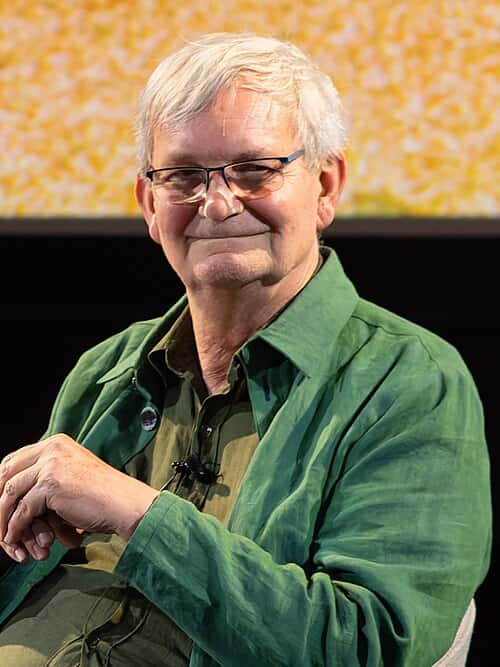
Raph_PH
Martin Parr
PhotographerKnown for:
flash-lit color documentation of British and global consumer culture
Education:
Manchester Polytechnic (photography, 1970-1973)
Martin Parr has spent more than four decades photographing the British working and middle classes - at the seaside, in the supermarket, on foreign holidays - with a flash-lit color saturation that simultaneously documents and satirizes mass consumer culture. He joined Magnum Photos in 1994. He has built one of the largest collections of photobooks in the world, which he has donated to the Tate archive.
Martin Parr's Gear List(6)
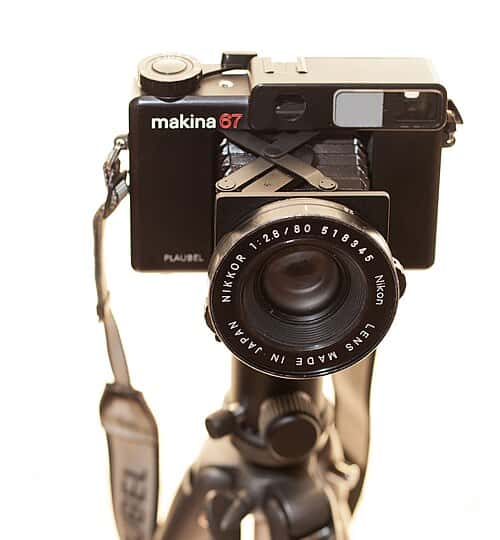
Plaubel
Connection Source
MartinparrInterview
Connection note
Parr used the Plaubel Makina 67 for "The Last Resort" (1986) and his subsequent color work; discussed in multiple Magnum interviews.
Product description
The Makina 67 is a folding medium format rangefinder producing 6×7cm negatives on 120 film. It uses a fixed Nikkor 80mm f/2.8 lens and collapses flat for transport. It was widely used by documentary photographers working in color from the 1980s onward.
Know something Martin Parr uses that's not listed?
Log in to submitRelated artists

Last updated June 9, 2026