Wikimedia Commons
Paula Rego
PainterKnown for:
narrative figurative painting; the abortion pastel series (1998)
Education:
Slade School of Fine Art, London (1952-1956)
Paula Rego grew up in Portugal under the Salazar dictatorship and developed a painting practice drawing on Portuguese folk culture, fairy tales, and the power structures between women, men, and children with a formal intensity that draws on Hogarth, Goya, and narrative illustration as much as fine art painting. She was the first artist to be given the National Gallery's inaugural Associate Artist position in 1990. Her Untitled pastel series addressing illegal abortion in Portugal is widely credited with influencing the 1998 Portuguese referendum on the subject.
Paula Rego's Gear List(2)
Unison Colour
Connection Source
KatypapineauWebsite
Connection note
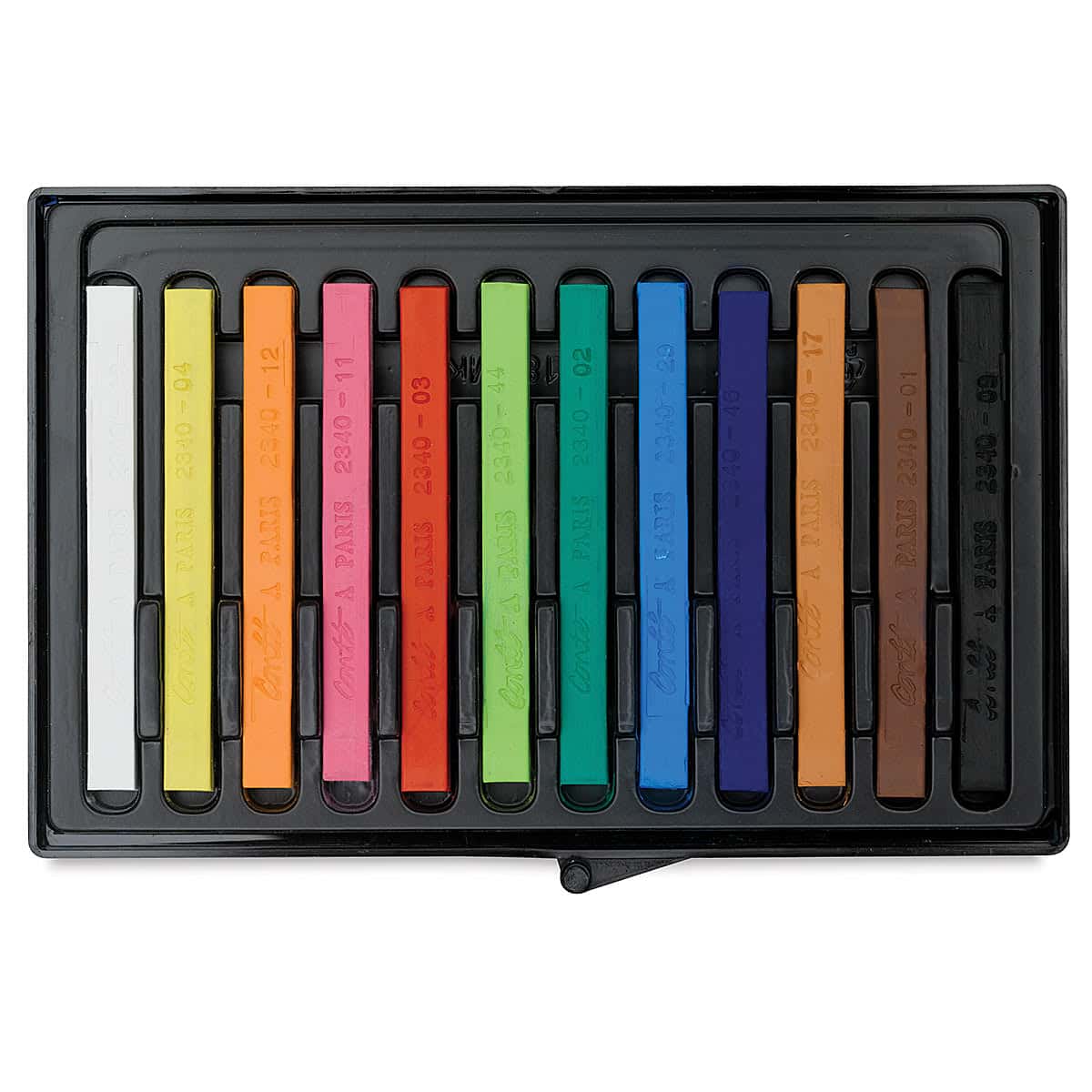
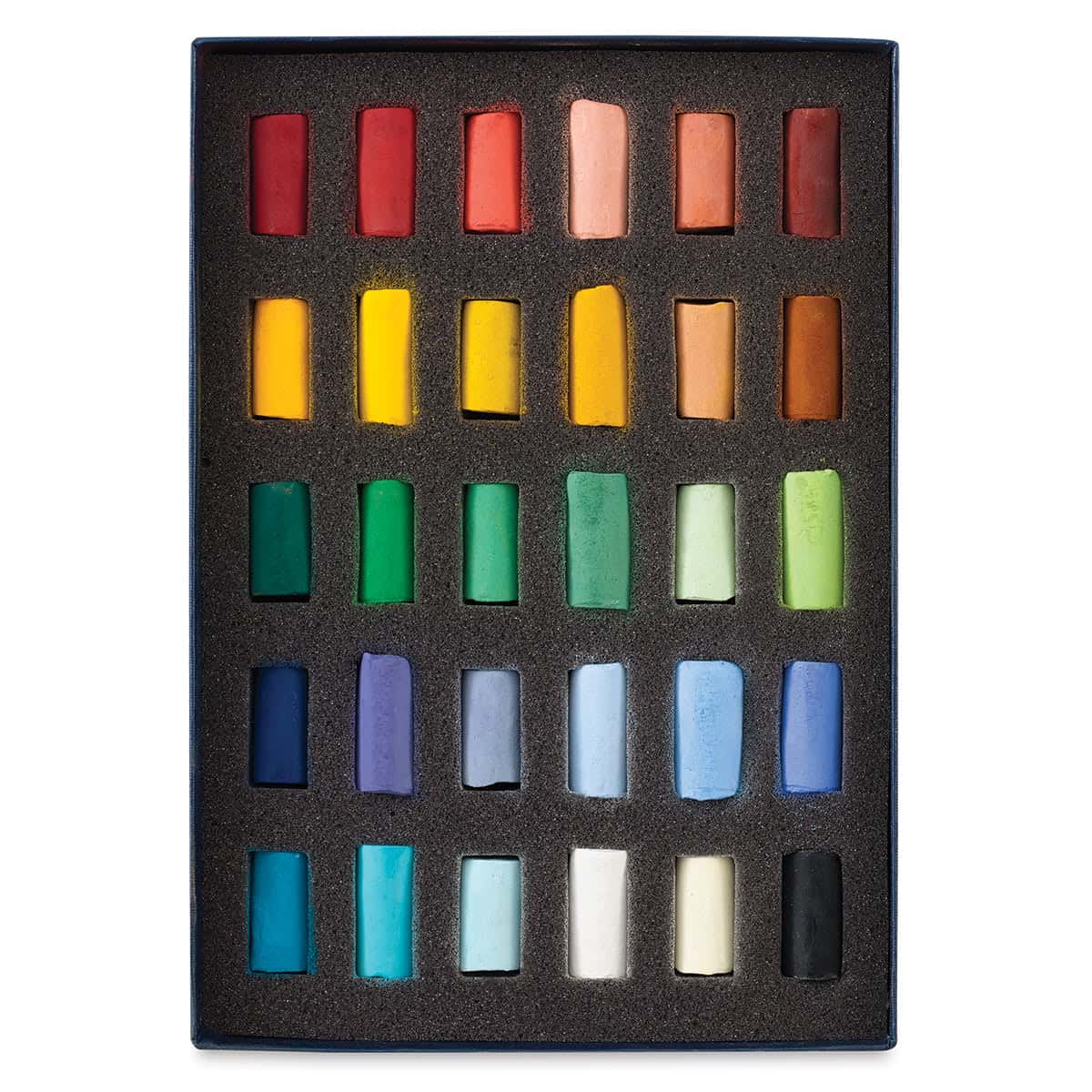
Layered soft pastels (Unison) over hard pastels (Conte) on primed paper, spraying Lascaux fixative between each layer
Product description
Unison Colour Soft Pastels are handmade in Northumberland, England, using pure pigments with minimal binder, producing an extremely soft, richly pigmented stick. They are favored by pastelists working at large scale for their intensity and blendability.
Know something Paula Rego uses that's not listed?
Log in to submitLast updated March 21, 2026