Michael Powell
FilmmakerKnown for:
The Red Shoes (1948), Black Narcissus (1947), Peeping Tom (1960)
Education:
No formal film training; learned on the job in English studios
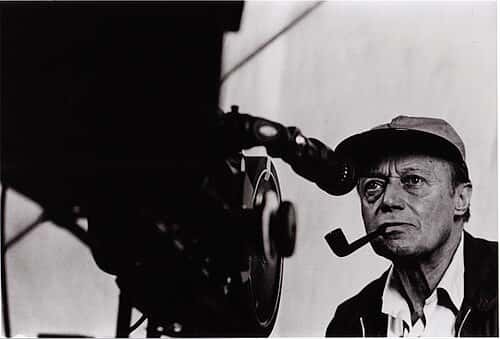
Michael Powell's collaboration with the screenwriter Emeric Pressburger - as The Archers - produced The Life and Death of Colonel Blimp (1943), A Matter of Life and Death (1946), Black Narcissus (1947), The Red Shoes (1948), and The Tales of Hoffmann (1951): a body of work that treated Technicolor as an expressive rather than a representational tool and achieved an operatic intensity unmatched in British cinema. His solo Peeping Tom (1960) - a film about a serial killer who murders his victims while filming them - was so viciously reviewed that it effectively ended his commercial career. Martin Scorsese has cited Powell as the most important influence on his own filmmaking.
Michael Powell's Gear List(1)
Technicolor
Connection Source
TheascWebsite
Connection note
DP Jack Cardiff pushed the Technicolor process beyond its rules on The Red Shoes (1948) and Black Narcissus (1947); only four three-strip cameras existed in the UK
Product description
The Technicolor Three-Strip Camera was a specialized 35mm motion picture camera manufactured by Mitchell Camera Corporation to Technicolor's specifications, with fewer than 35 units built between 1932 and 1954. It used a beam-splitting prism to expose three separate strips of black-and-white film simultaneously through red, green, and blue filtration, producing full-color images through a dye-transfer printing process. The system required significantly more light than standard photography, with an effective ASA of 5. Three-strip production ended in the mid-1950s when single-strip color negative film made the process obsolete.
Know something Michael Powell uses that's not listed?
Log in to submitRelated artists
Last updated March 20, 2026