Camera
Bolex
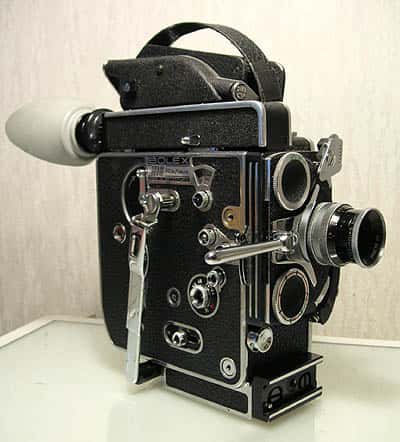
Bolex H16 Reflex
The Bolex H16 is a spring-wound 16mm film camera first produced in the 1930s and manufactured in Sainte-Croix, Switzerland for decades. Its mechanical simplicity, reliability, and optical quality made it the instrument of choice for avant-garde and experimental filmmakers. Jonas Mekas used one for decades of diary films; Stan Brakhage made most of his works with one.
Artists who use this(7)
Connection note
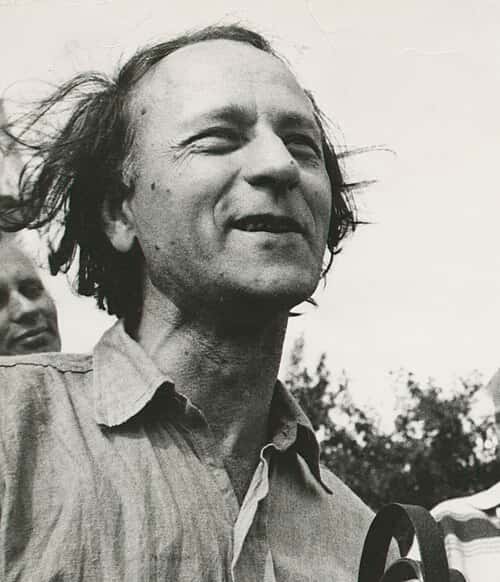
Mekas used a Bolex H16 camera throughout his diary film practice from the 1950s onward; his use of the camera is documented in his own writings, in the catalog for his MoMA retrospective, and in multiple interviews about his working method.

Connection note
Varda used a Bolex H16 for early short films and documentary work; the camera's portability enabled her guerrilla filmmaking practice. Documented in retrospective accounts of her early career.
Know an artist who uses the Bolex Bolex H16 Reflex?
Log in to submitLast updated March 26, 2026