Camera
Hasselblad
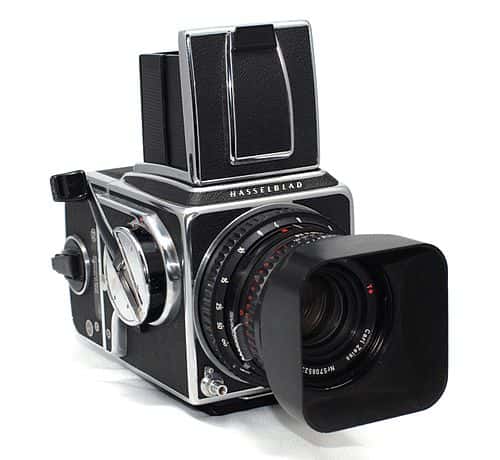
Hasselblad 500C/M
Produced from 1970 to 1994, the 500C/M is a modular medium format SLR using 120 or 220 film. Its interchangeable magazines, focusing screens, and Carl Zeiss lenses made it the standard camera in professional studio and location photography for three decades.
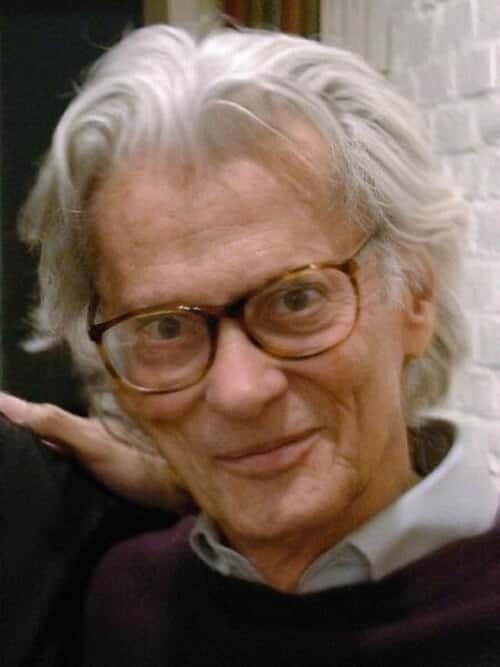
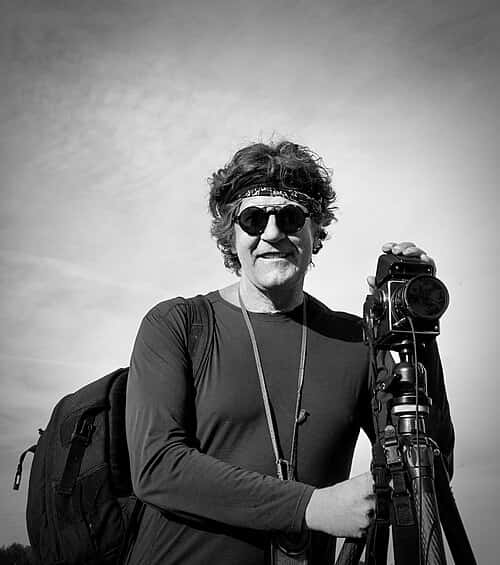
Artists who use this(7)
Connection note
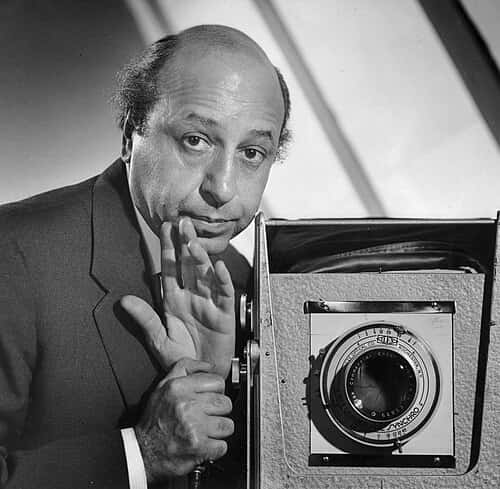
Karsh used the Hasselblad 500C/M alongside his large-format cameras for location and travel portraiture where a view camera was impractical. His use of Hasselblad equipment is documented in multiple interviews and in the collection of the Karsh estate.
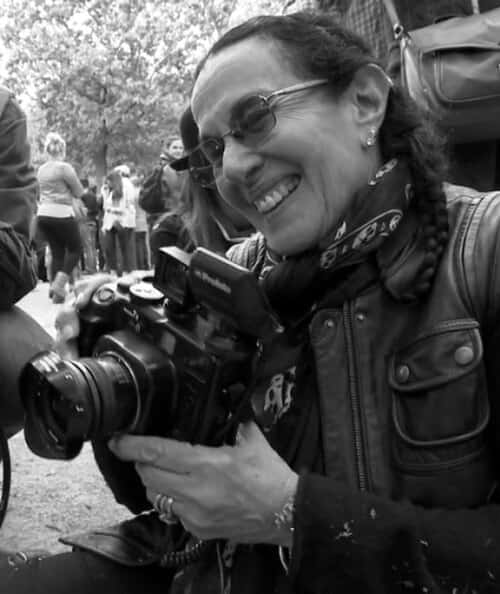
Connection note
Mark used the Hasselblad for her studio and formal portrait work alongside her documentary Leica practice. Her use of both systems is documented in her published interviews.
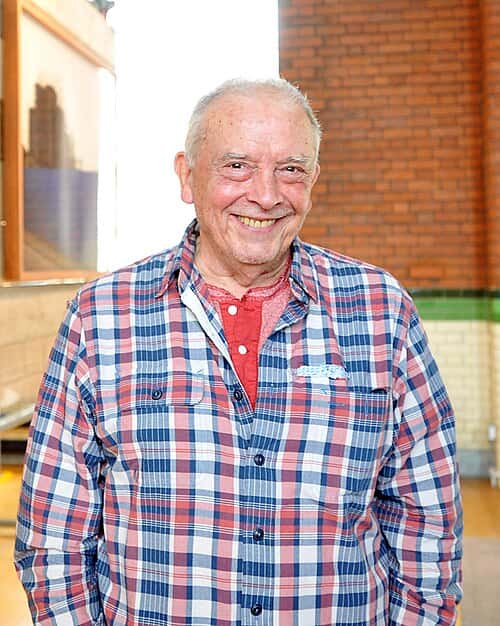
Connection note
Bailey used Hasselblad medium format cameras for his fashion and portrait work at British Vogue from the 1960s onward. His use of Hasselblad is documented in multiple interviews and in his autobiography.
Know an artist who uses the Hasselblad Hasselblad 500C/M?
Log in to submitLast updated March 20, 2026