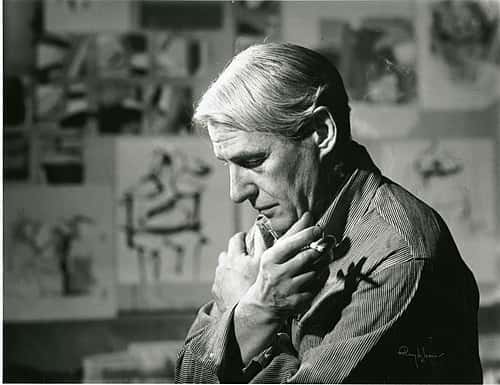
John Currin is an American painter born in Boulder, Colorado in 1962, known for figurative oil paintings that merge Old Master techniques with provocative, often satirical contemporary imagery. He studied at Carnegie Mellon University and Yale University, and as a teenager took private lessons from classically trained Ukrainian painter Lev Meshberg. His work draws from sources ranging from Renaissance portraiture to pinups and popular culture, rendered with meticulous glazing and layering techniques. He is represented by Gagosian Gallery and lives in New York City with his wife, artist Rachel Feinstein.
Product description
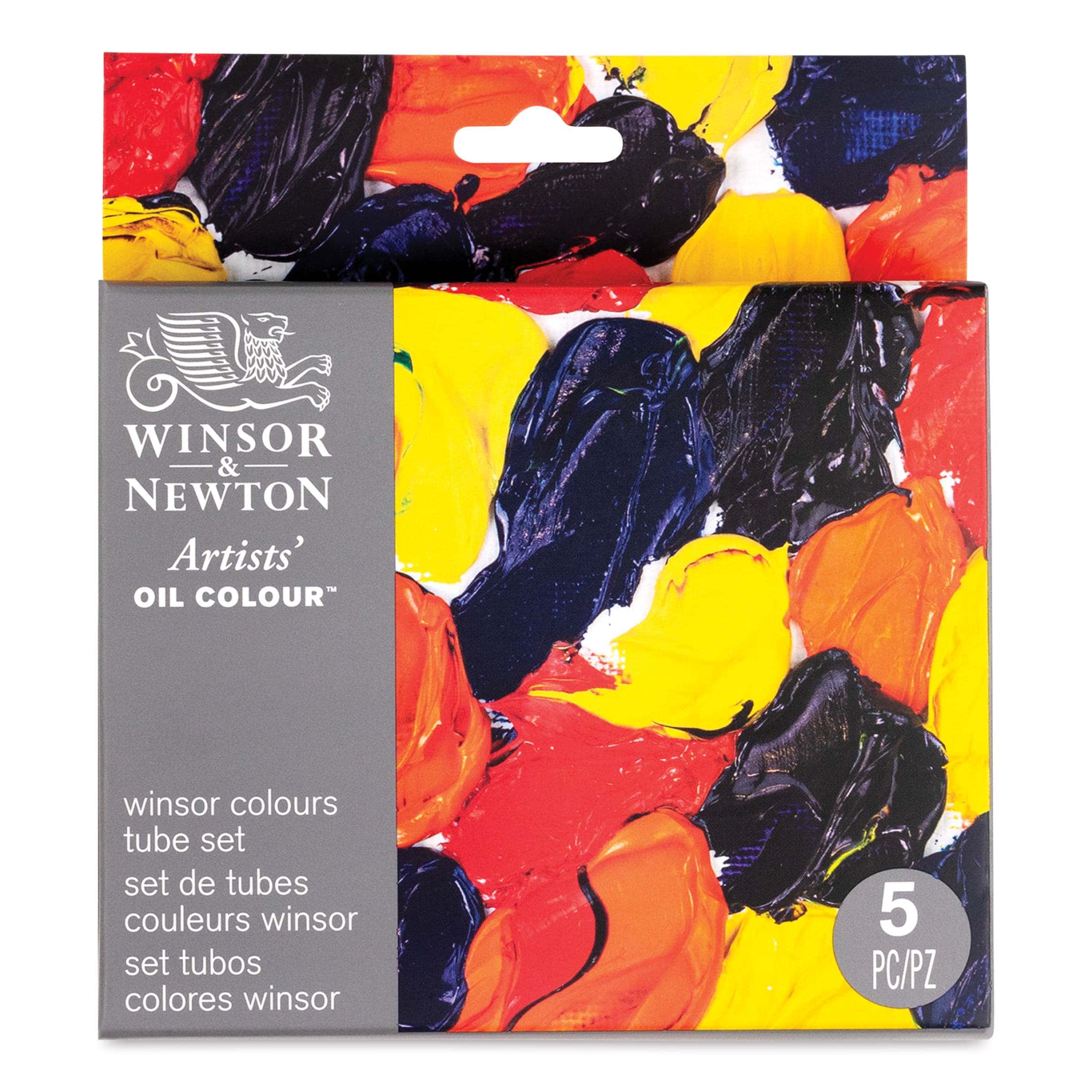
Winsor & Newton has manufactured artists' oil colours in London since 1832, and its professional-grade line remains one of the most widely used in studio painting worldwide. The range covers more than 120 pigments, each ground in cold-pressed linseed or safflower oil to a standard of consistency that has changed little since the nineteenth century. Lucian Freud and Francis Bacon were among the many painters who worked from the Winsor & Newton range throughout their careers.
Connection note
Know something John Currin uses that's not listed?
Log in to submitLast updated March 22, 2026
Product description
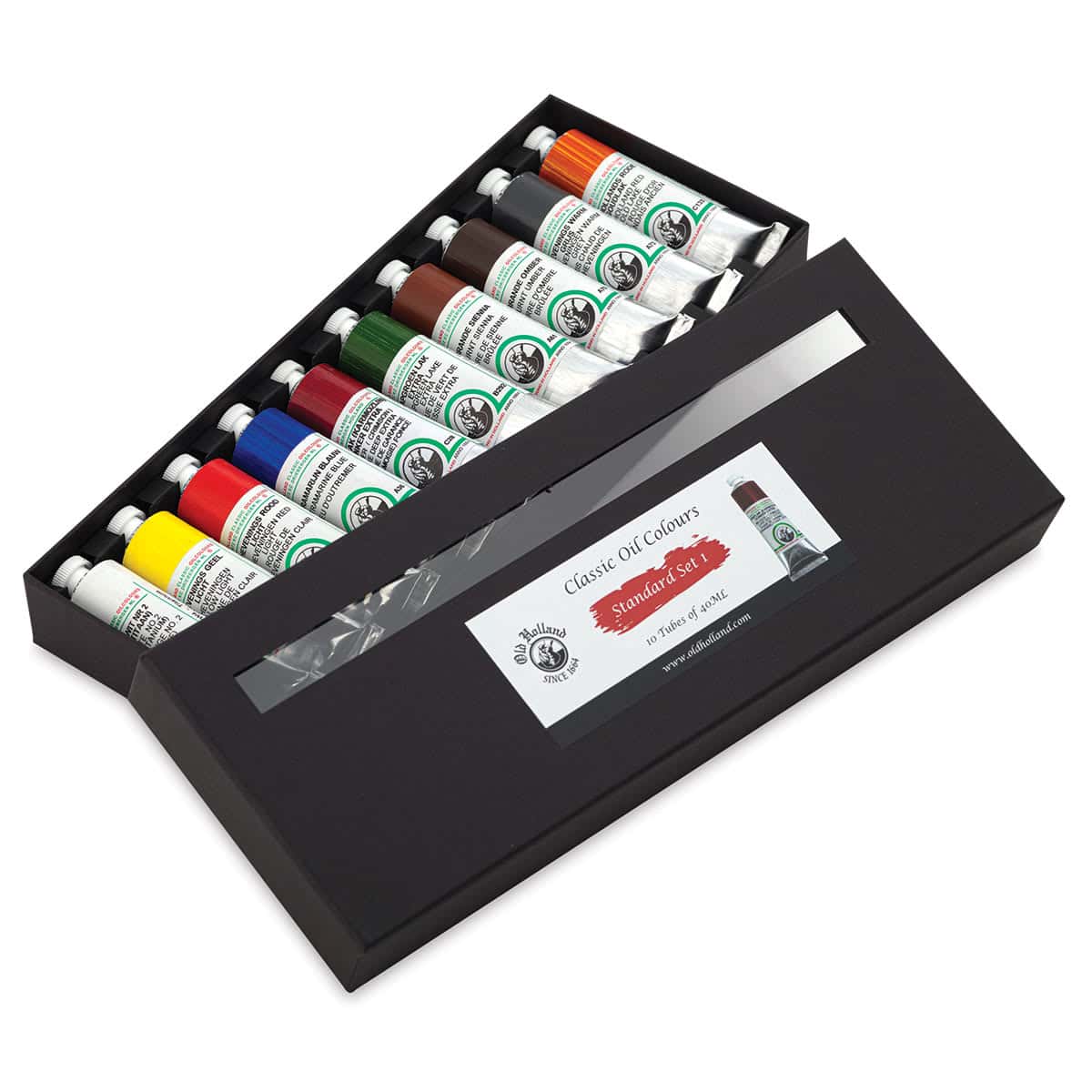
Old Holland has manufactured artists' oil colours in the Netherlands since 1664, making it the oldest surviving oil paint manufacturer. Its Classic range uses pure pigments at maximum concentration ground on triple-roll mills, producing paints with extremely high tinting strength favored by painters working in the Old Master tradition.
Connection note
Product description
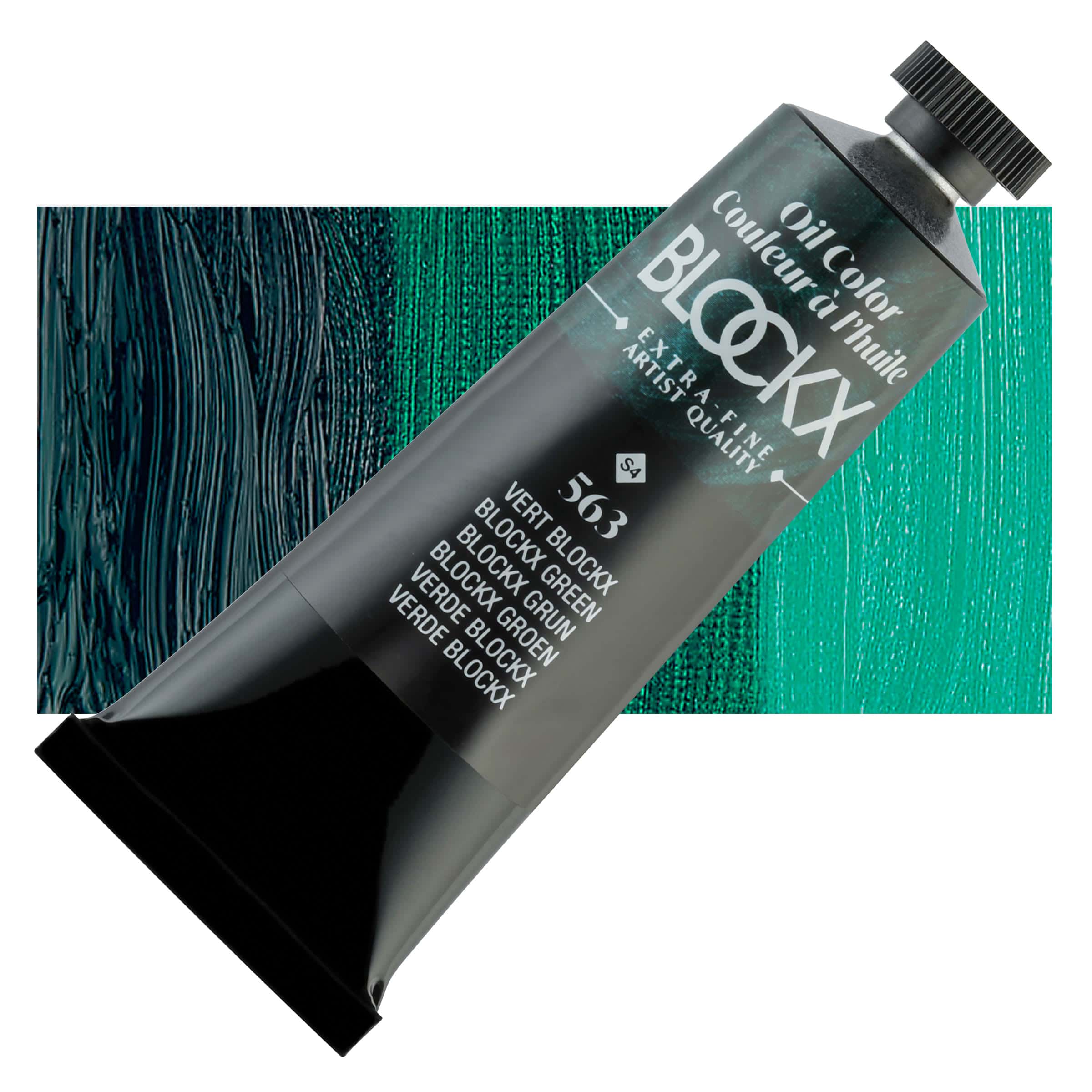
Extra-fine oil paints made in Belgium by the Blockx family since 1865, still hand-ground on slow-rotating stone mills using traditional methods. Earth tones and blacks are ground in linseed oil, while all other pigments use poppy seed oil to resist yellowing. Every color carries a minimum lightfastness rating of 7 out of 8 on the blue wool scale. Blockx is the oldest artist paint manufacturer continuously run by its founding family.
Connection note
Product description
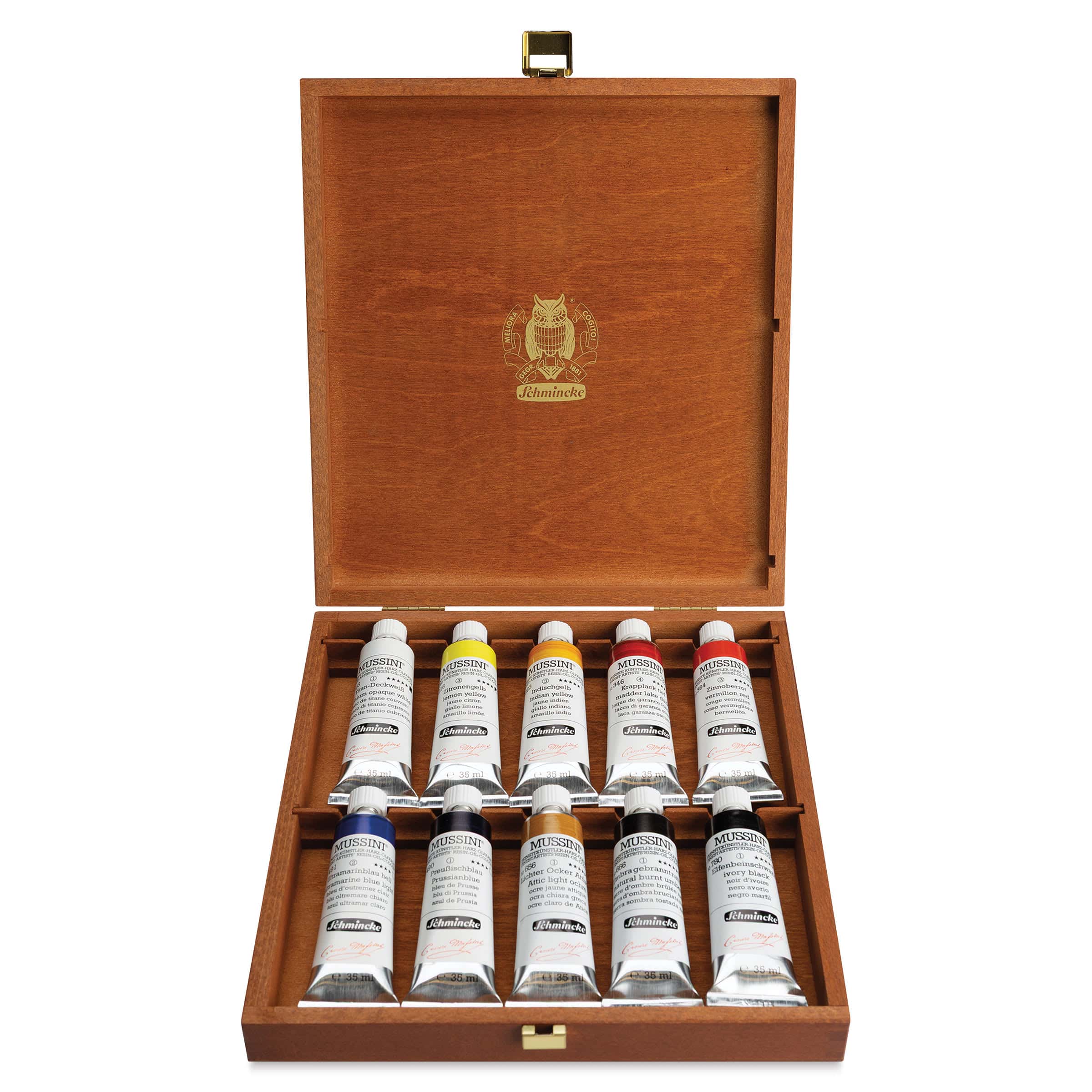
Schmincke Mussini Oil Colors are a resin-oil paint — pigments ground in a medium of dammar resin and safflower oil — manufactured in Germany. The resin base gives faster drying and greater luminosity than standard linseed-oil paints, and the range is used by painters seeking the glazing properties of historical resin-oil media.
Connection note
Product description
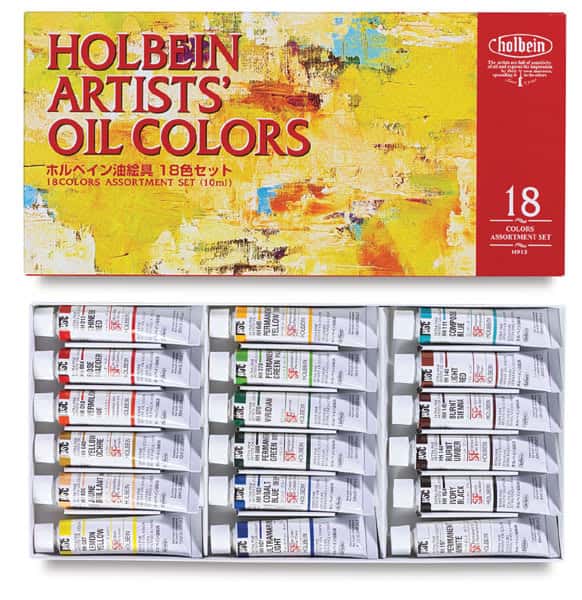
Holbein Artists' Oil Colors are a Japanese-made professional-grade oil paint line known for consistent pigment load and smooth, buttery handling. Each color is individually formulated for optimal pigment-to-oil ratio, making the range popular with figurative painters who demand predictable mixing behavior.
Connection note
Product description
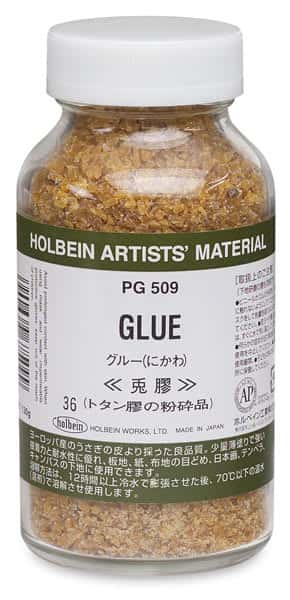
Rabbit skin glue is a traditional animal-hide adhesive used to size canvas before applying oil paint grounds. It seals the canvas fibers to prevent oil penetration and has been the standard canvas sizing material since the Renaissance.
Connection note
Product description
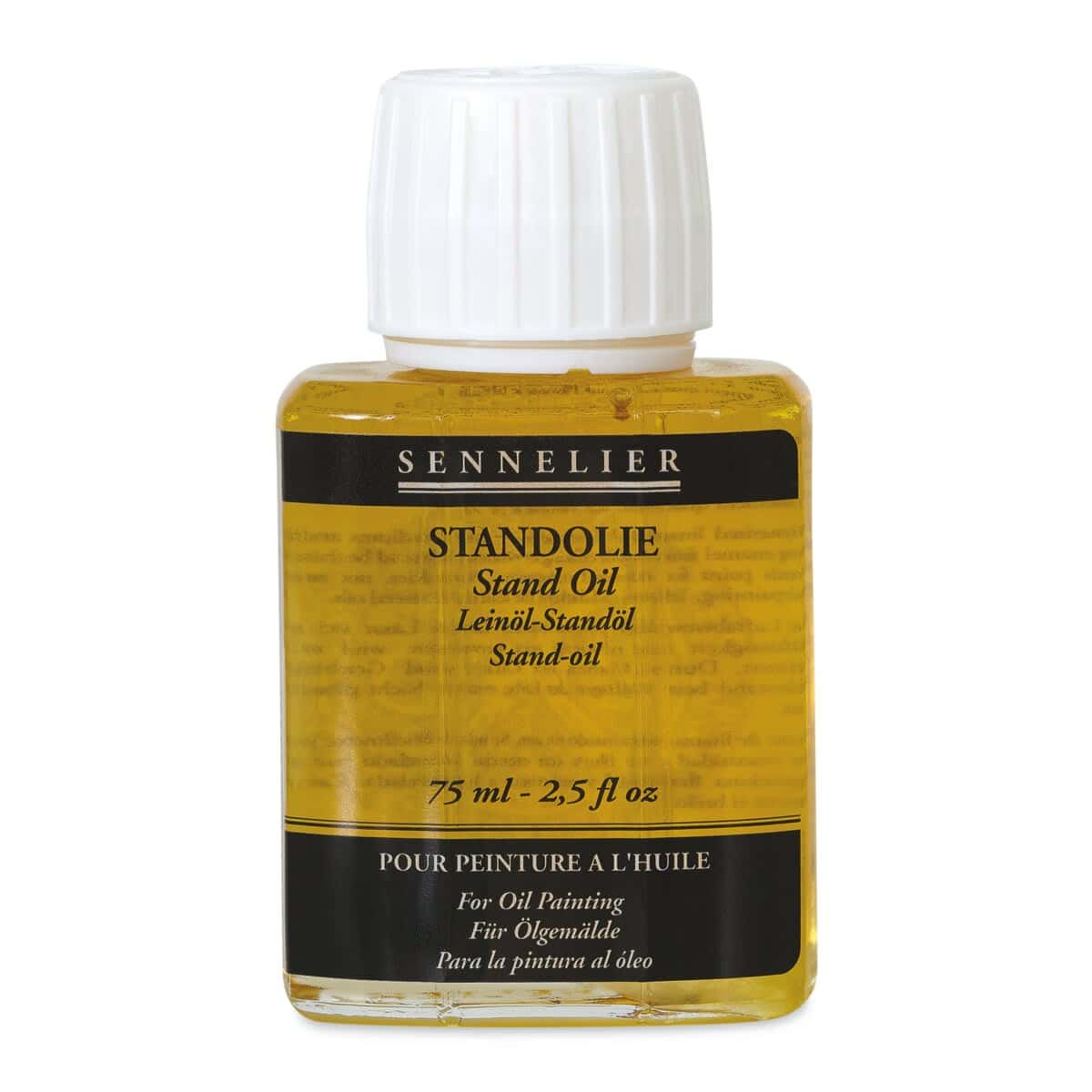
Stand oil is linseed oil that has been heat-polymerized to produce a thick, honey-like consistency. It dries to a smooth, enamel-like film with minimal yellowing, and is used in painting mediums to increase flow and leveling while reducing brushmark visibility.
Connection note
Product description
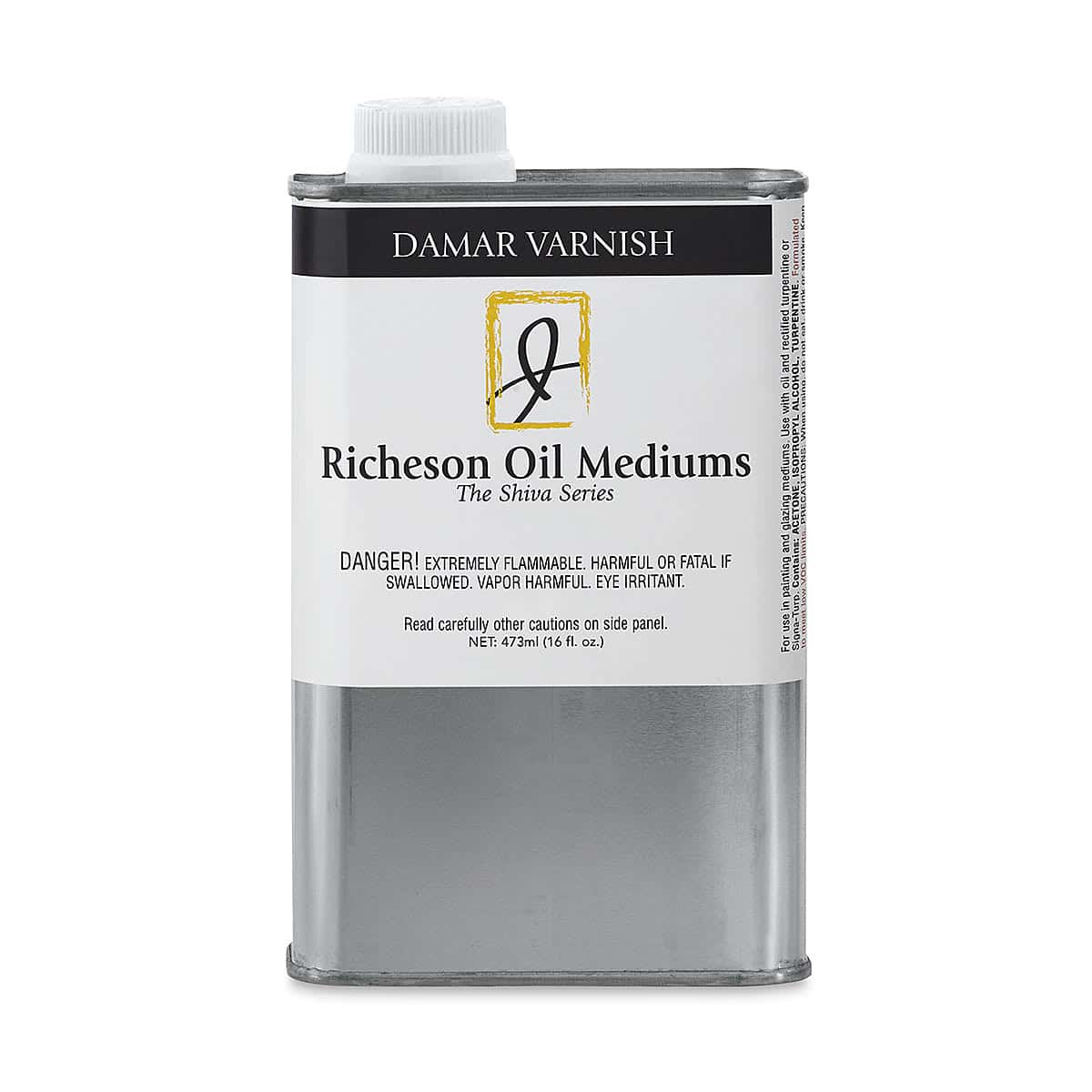
Damar varnish is a natural tree resin dissolved in turpentine, used as a final picture varnish and as an ingredient in traditional painting mediums. It adds gloss and depth to finished oil paintings and is a component of many classical medium recipes.
Connection note
Product description
Refined linseed oil is the most common painting medium for oil colors, produced by filtering and treating raw linseed oil. It increases paint flow and transparency and has been the primary oil painting medium since the fifteenth century.
Connection note
Product description
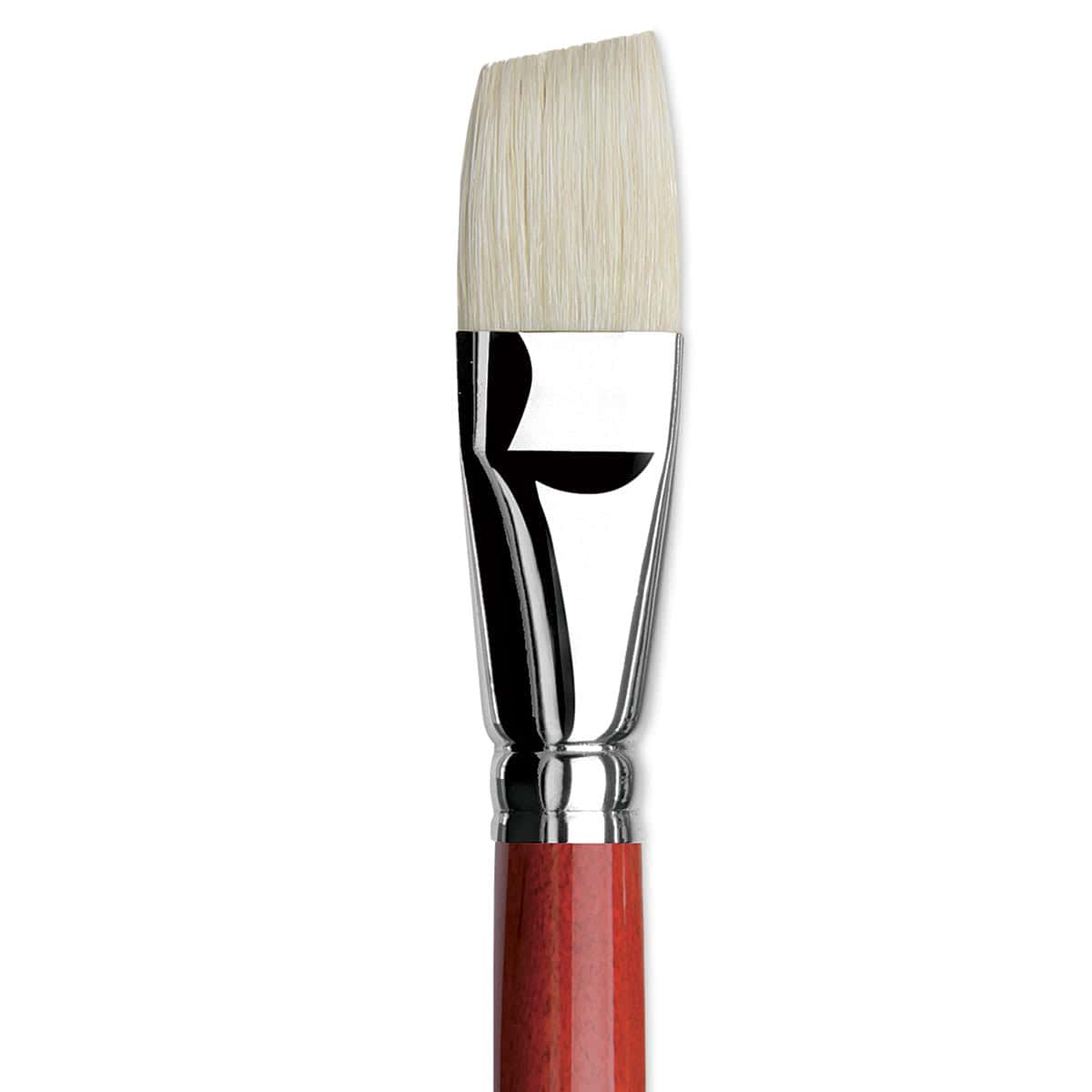
German-made hog bristle brushes from the Da Vinci Maestro series. The natural bristle holds oil paint well and maintains its shape through extended painting sessions.
Connection note

Alex Kanevsky