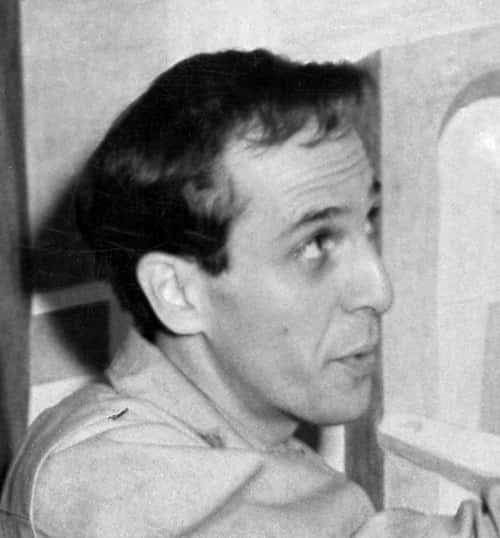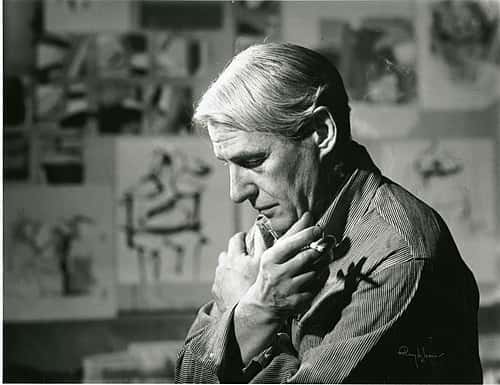
Antony di Gesu, photographer
Willem de Kooning
PainterKnown for:
Abstract Expressionism; the Women series (1950–53)
Education:
Rotterdam Academy of Fine Arts and Techniques (night classes, 1916-1924)
Willem de Kooning arrived in New York from Rotterdam as a stowaway in 1926 and became a central figure in Abstract Expressionism through his large-scale paintings of the late 1940s and the Women series of the early 1950s, in which aggressive gestural painting and figurative imagery collided. His late paintings, made during the early stages of Alzheimer's disease in the 1980s, are characterized by a fluid, linear grace that surprised critics who had expected deterioration. He continued painting until near the end of his life.
Willem de Kooning's Gear List(1)
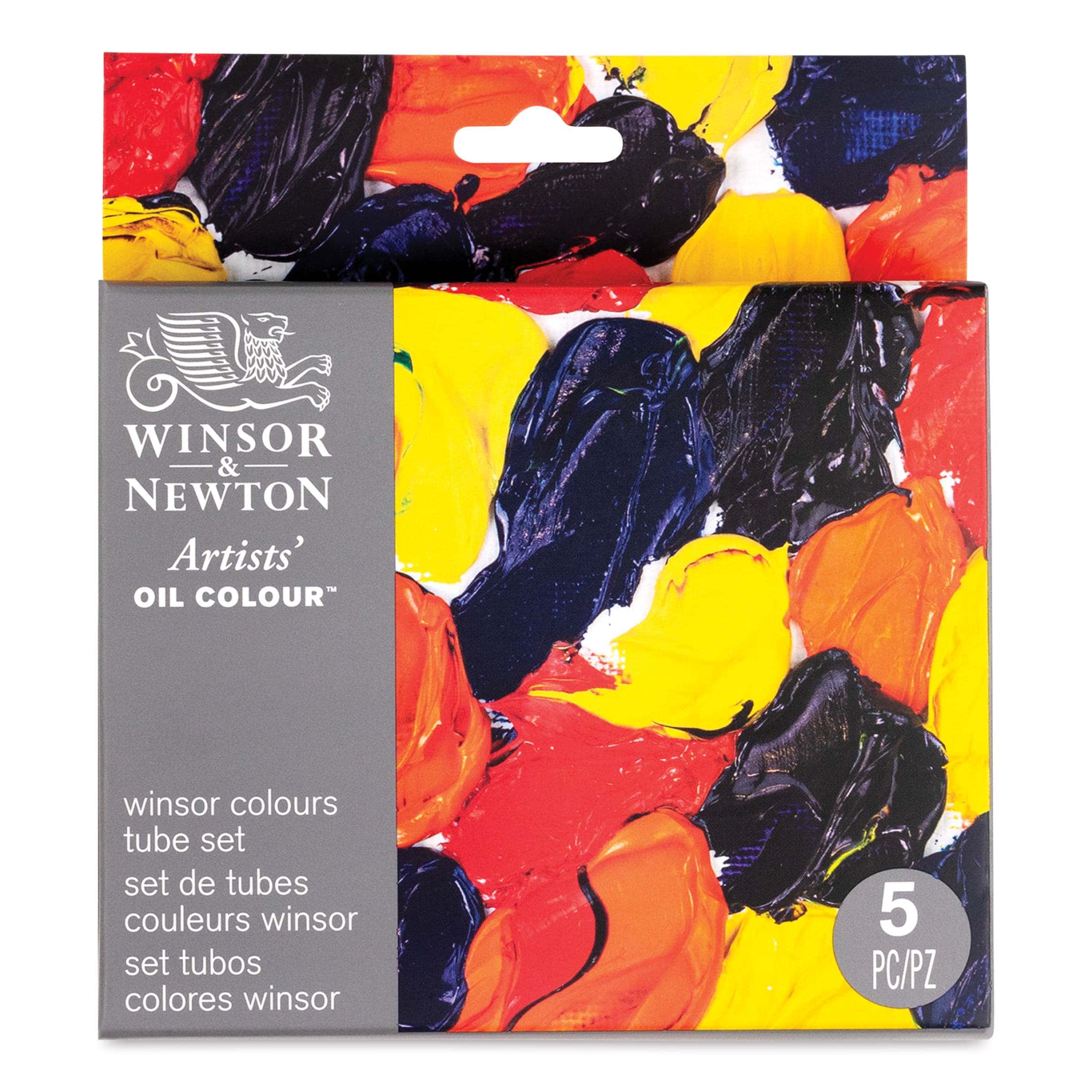
Winsor & Newton
Connection note
De Kooning used commercial and artists' grade oil paints including Winsor & Newton throughout his career. His materials are documented in conservation studies of his paintings.
Product description
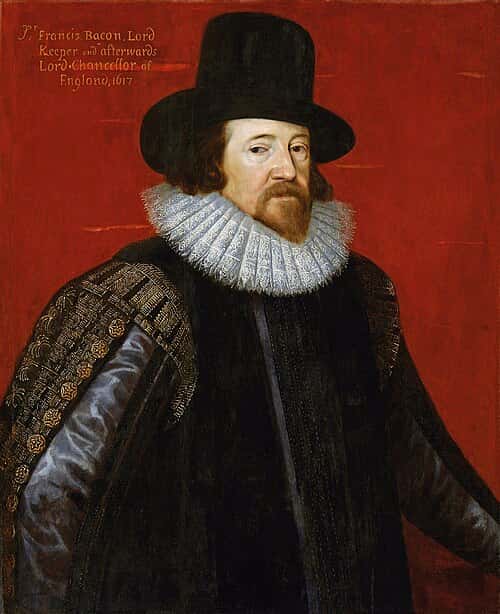
Winsor & Newton has manufactured artists' oil colours in London since 1832, and its professional-grade line remains one of the most widely used in studio painting worldwide. The range covers more than 120 pigments, each ground in cold-pressed linseed or safflower oil to a standard of consistency that has changed little since the nineteenth century. Lucian Freud and Francis Bacon were among the many painters who worked from the Winsor & Newton range throughout their careers.
Know something Willem de Kooning uses that's not listed?
Log in to submitRelated artists

Last updated March 20, 2026