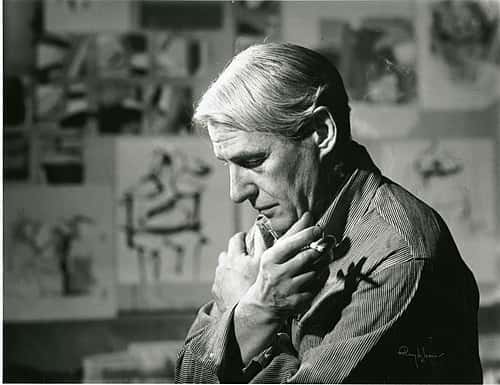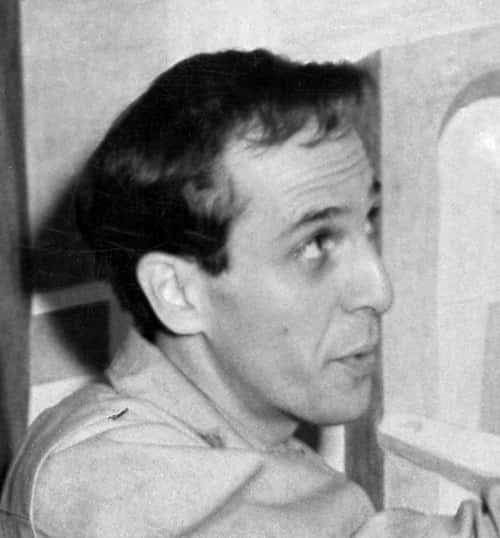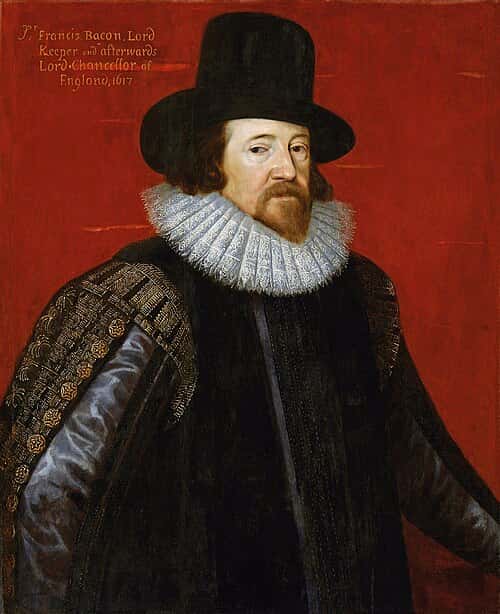
Paul van Somer I / Formerly attributed to Frans Pourbus the Younger
Francis Bacon
PainterKnown for:
the triptych form; distorted figurative painting
Education:
Self-taught; no formal art training
Francis Bacon was self-taught, having destroyed most of his early work, and produced a body of painting from the 1940s onward in which the human figure is subjected to distortion, blurring, and confinement within abstract space. His triptychs - including the Three Studies for Figures at the Base of a Crucifixion (1944) that introduced him to public attention - treat the human body as a site of psychological and physical anguish. He worked in a deliberately chaotic studio environment, using chance as a formal tool.
Francis Bacon's Gear List(2)
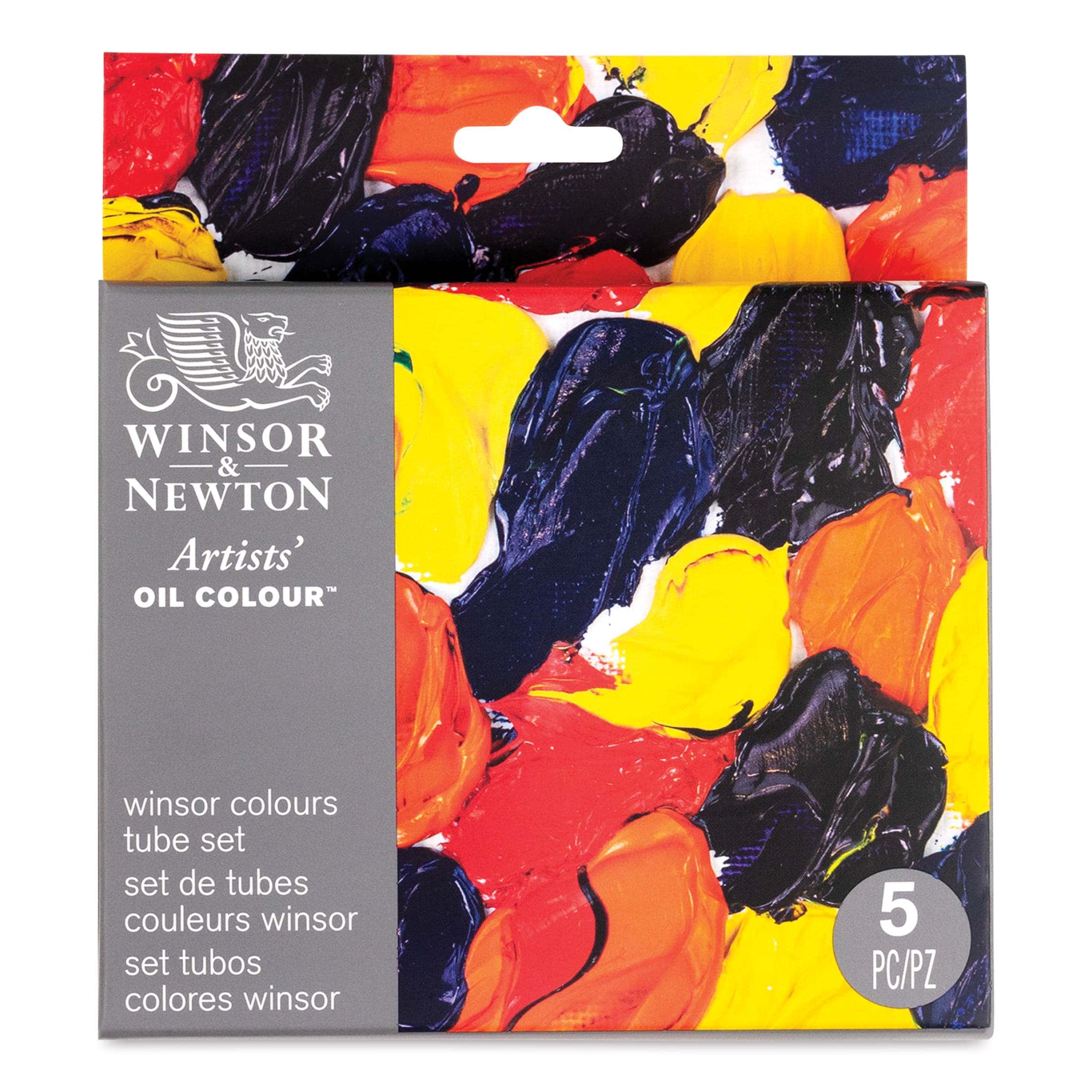
Winsor & Newton
Connection note
Bacon used Winsor & Newton oil colours throughout his career; his studio at 7 Reece Mews was filled with Winsor & Newton tubes when it was preserved after his death. Documented in the Dublin City Gallery's catalog of his studio contents.
Product description
Winsor & Newton has manufactured artists' oil colours in London since 1832, and its professional-grade line remains one of the most widely used in studio painting worldwide. The range covers more than 120 pigments, each ground in cold-pressed linseed or safflower oil to a standard of consistency that has changed little since the nineteenth century. Lucian Freud and Francis Bacon were among the many painters who worked from the Winsor & Newton range throughout their careers.
Know something Francis Bacon uses that's not listed?
Log in to submitRelated artists

Last updated March 20, 2026