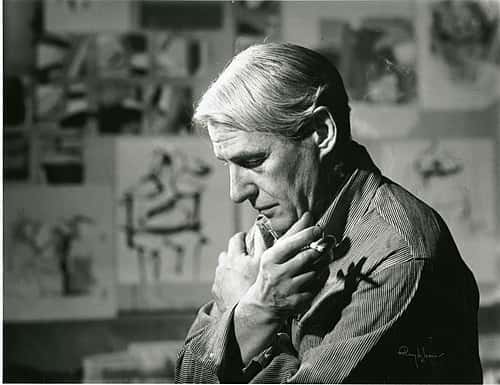
Sol Libsohn
Philip Guston
PainterKnown for:
late figurative work; the 1970 return to figuration
Education:
Otis Art Institute, Los Angeles (one-year scholarship, 1930); largely self-taught
Philip Guston began as an Abstract Expressionist - his lyrical, shimmering canvases of the 1950s established him as one of the major figures in that movement - before abandoning abstraction in 1970 and returning to a cartoonish figurative style that was initially dismissed by the art world and has since been recognized as prophetic. His hooded Ku Klux Klan figures, clocks, shoes, and cigarette butts addressed American political reality with a directness that abstraction could not. A major retrospective organized in 2020 was delayed after controversy over the Klan imagery in the context of Black Lives Matter.
Philip Guston's Gear List(1)
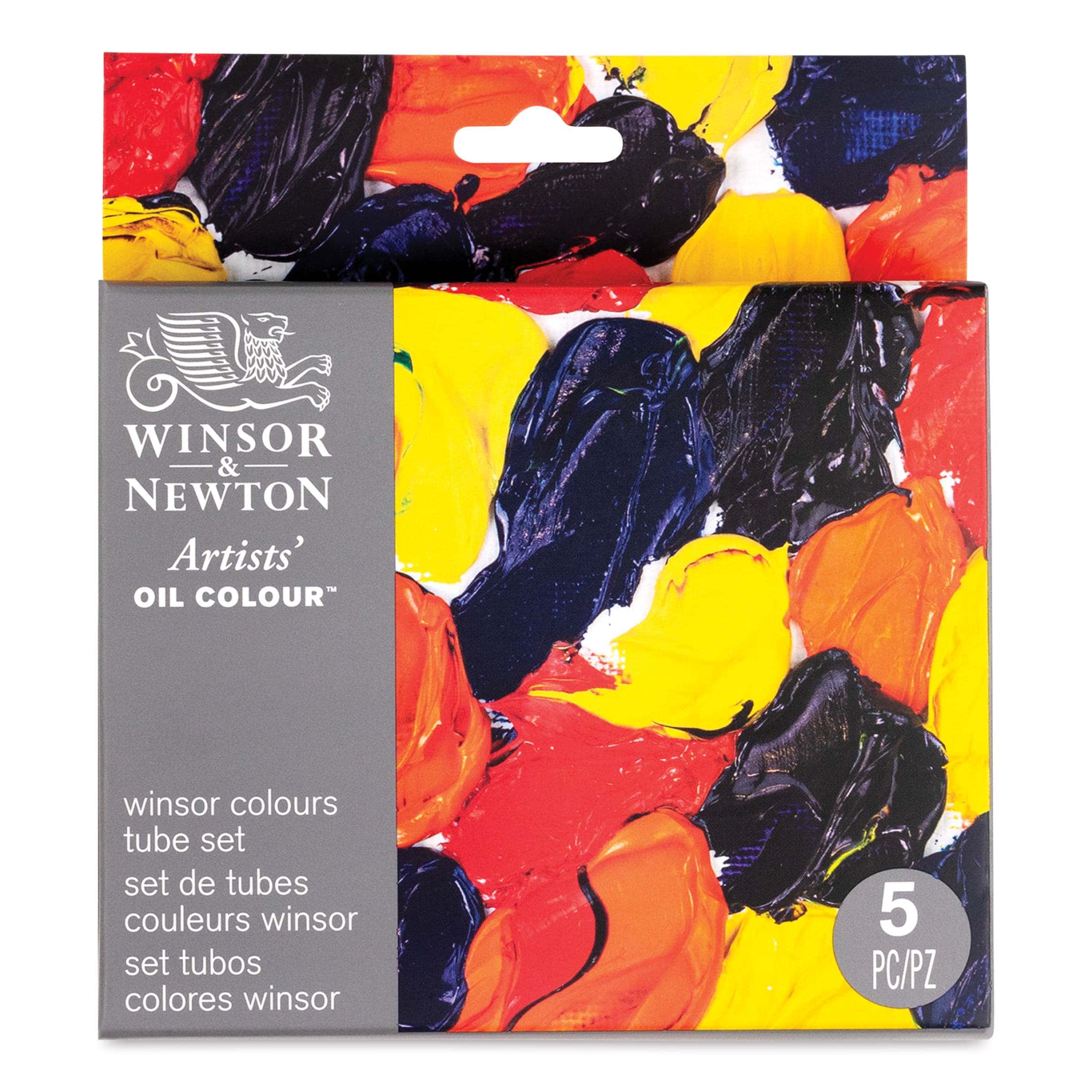
Winsor & Newton
Connection note
Guston used oil paints for both his abstract and late figurative work. His materials are documented in retrospective accounts and studio photographs.
Product description
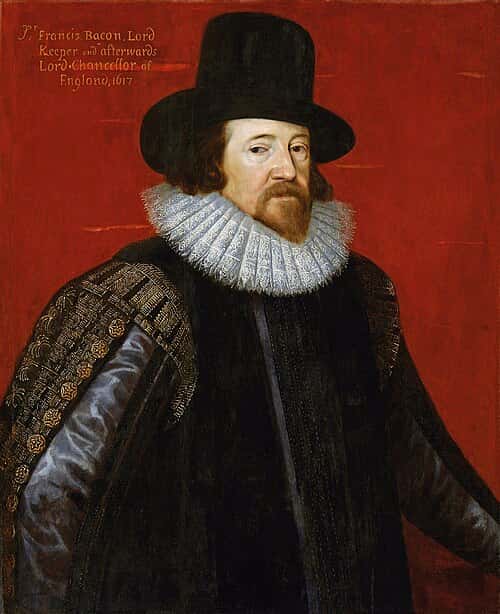
Winsor & Newton has manufactured artists' oil colours in London since 1832, and its professional-grade line remains one of the most widely used in studio painting worldwide. The range covers more than 120 pigments, each ground in cold-pressed linseed or safflower oil to a standard of consistency that has changed little since the nineteenth century. Lucian Freud and Francis Bacon were among the many painters who worked from the Winsor & Newton range throughout their careers.
Know something Philip Guston uses that's not listed?
Log in to submitRelated artists
Last updated March 20, 2026