Sebastian Mayer
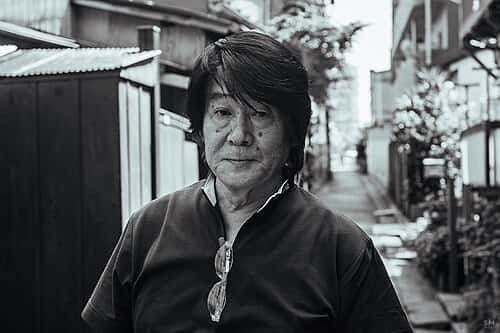
Daido Moriyama
PhotographerKnown for:
grainy high-contrast street photography of Tokyo; Farewell Photography (1972)
Education:
Studied under Takeji Iwamiya in Osaka; assisted Eikoh Hosoe in Tokyo; largely self-taught
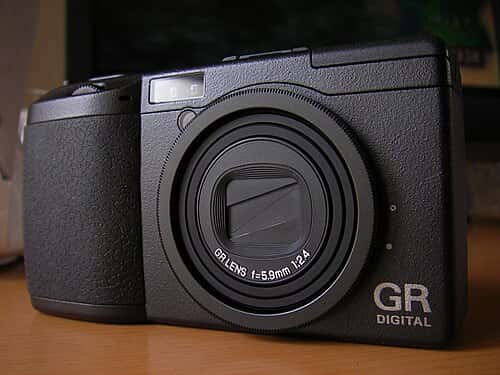
Daido Moriyama worked as an assistant to Eikoh Hosoe in the early 1960s before developing a grainy, high-contrast, often blurred style of street photography that became one of the most influential photographic aesthetics of the late twentieth century. His 1972 book Farewell Photography - deliberately shaken, blurry, and radically underexposed - was a repudiation of photographic perfectionism that proved enormously influential. He has worked for decades with compact cameras, most recently the Ricoh GR, which he has discussed extensively in interviews as central to his practice.
Daido Moriyama's Gear List(2)

Kodak
Connection Source
PhotogpediaBook
Connection note
Moriyama's high-contrast, grain-forward aesthetic was built on Tri-X pushed in development; he has discussed the film in interviews about his practice from the 1960s onward, and its grain is a deliberate formal element in his work.
Product description
In production since 1954, Tri-X 400 is a black-and-white film whose grain structure, broad exposure latitude, and response to push processing made it the dominant film in photojournalism and street photography for decades.
Know something Daido Moriyama uses that's not listed?
Log in to submitRelated artists
Last updated March 20, 2026