Film
Kodak
Kodak Tri-X 400
In production since 1954, Tri-X 400 is a black-and-white film whose grain structure, broad exposure latitude, and response to push processing made it the dominant film in photojournalism and street photography for decades.
Artists who use this(16)
Connection note
Eggleston used Kodak Tri-X for his early black-and-white work before moving to color; documented in retrospective accounts of his practice.
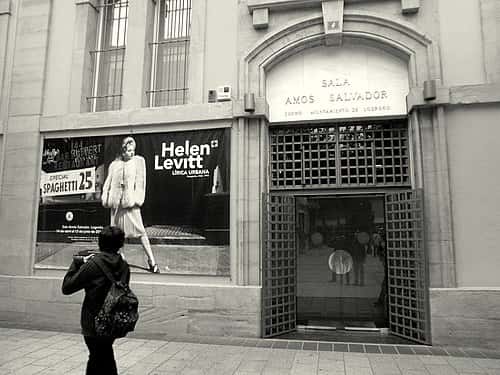
Connection note
Levitt's black-and-white street photographs were shot on fast film stock to allow available-light photography without flash; Tri-X provided the grain and latitude her low-light, fast-moving street subjects required. Her film choice is documented in technical notes accompanying her MoMA and Fogg Art Museum retrospectives.

Connection note
Friedlander's black-and-white work was shot primarily on Tri-X; the film's latitude suited his practice of photographing in varied lighting conditions on the street.
Know an artist who uses the Kodak Kodak Tri-X 400?
Log in to submitLast updated June 9, 2026