Merche Lazaro
Helen Levitt
PhotographerKnown for:
street photography of New York children; waist-level Leica work
Education:
Self-taught; learned darkroom work as commercial photographer's assistant
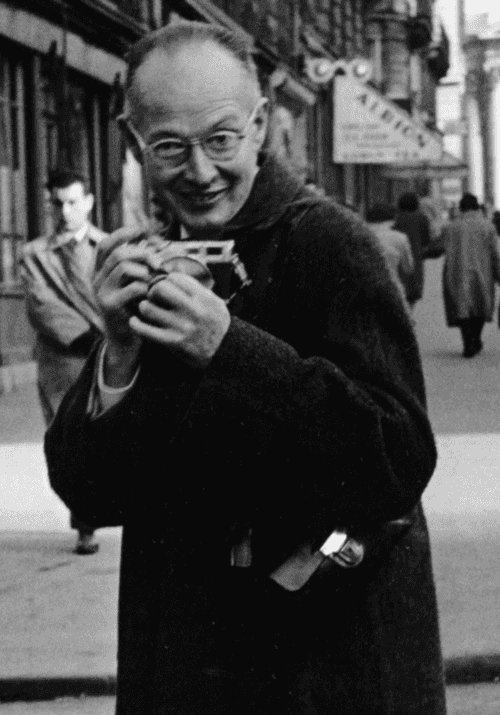
Helen Levitt spent the better part of her career photographing the streets of New York City - primarily its children, in the outer boroughs and in East Harlem - with a Leica held at waist height and a right-angle viewfinder that allowed her to point the camera sideways while appearing to look straight ahead. Her photographs of children's chalk drawings, street games, and casual theatre have a formal quality that places them at the intersection of documentary and fine art. She received a Guggenheim Fellowship in 1959 and a second in 1960.
Helen Levitt's Gear List(2)
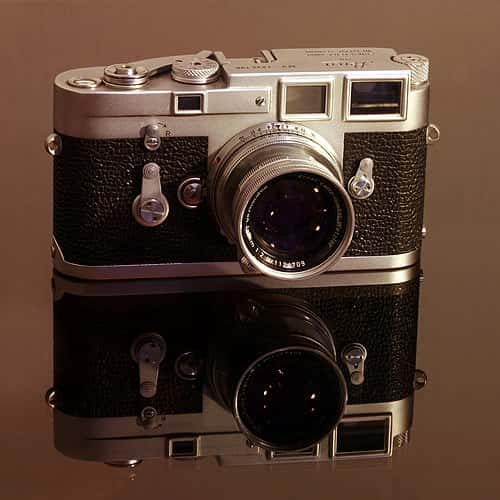
Leica
Connection Source
Lfi OnlineInterview
Connection note
Levitt used a Leica rangefinder fitted with a right-angle viewfinder throughout her New York street work, a technique that allowed her to photograph sideways without her subjects noticing the direction of her gaze. Her use of this setup is documented in "A Way of Seeing" (1965, text by James Agee) and in accounts of her working method provided to MoMA for her 1974 retrospective.
Product description
Know something Helen Levitt uses that's not listed?
Log in to submitRelated artists

Last updated March 20, 2026