Ihei Kimura
Henri Cartier-Bresson
PhotographerKnown for:
street and documentary photography; co-founder of Magnum Photos
Education:
Studied painting under André Lhote, Paris; Cambridge University (briefly); self-taught in photography
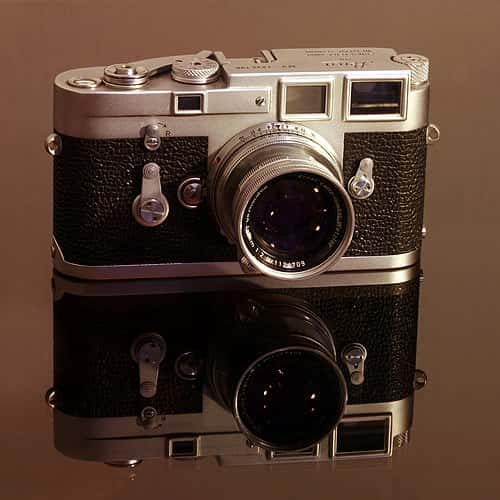
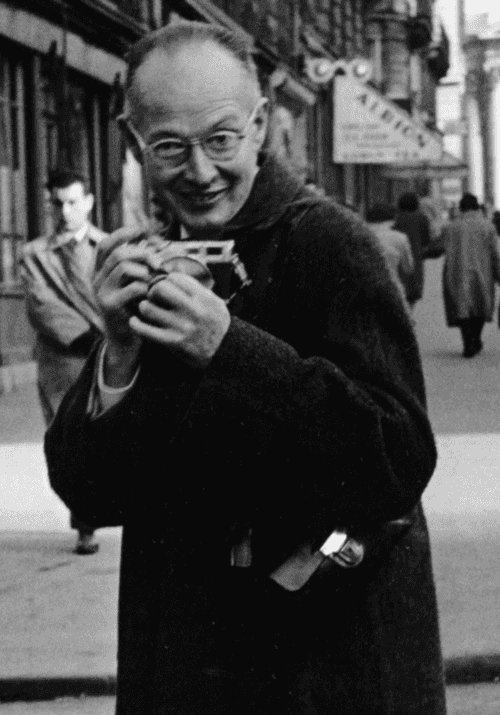
Henri Cartier-Bresson spent more than five decades photographing the world with a Leica rangefinder and a 50mm lens, accumulating work that spans the Spanish Civil War, the partition of India, and the streets of Paris. He was a founding member of Magnum Photos in 1947. His 1952 book The Decisive Moment described a philosophy of photography centered on the brief, unrepeatable instant at which form and content converge.
Henri Cartier-Bresson's Gear List(3)
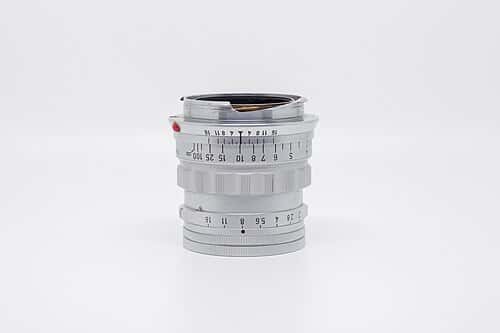
Connection Source
JogeierWebsite
Connection note
Signature lens on the M3; he owned one of only five black-paint versions made
Product description
The Summicron-M 50mm f/2 is Leica's long-running standard lens for M-mount rangefinders, first introduced in 1953 and refined through five major versions. The current design, in production since 1994, uses a six-element double-Gauss formula that delivers sharp, neutral rendering with minimal distortion. It takes 39mm filters and weighs 242g, making it one of the more compact options in Leica's M lens lineup.
Know something Henri Cartier-Bresson uses that's not listed?
Log in to submitRelated artists
Last updated June 9, 2026