Leica M3
Camera

Leica

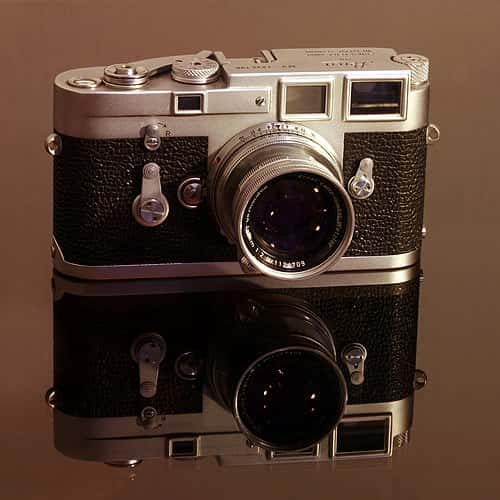
Leica M3

Introduced in 1954, the M3 was Leitz's first camera to use the M bayonet mount. Its combined viewfinder and rangefinder, with 0.91x magnification, set a standard for 35mm rangefinder design that every subsequent Leica M followed.

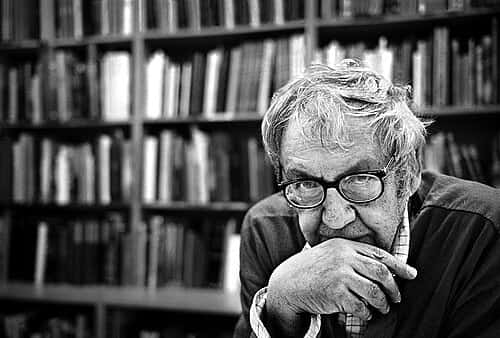
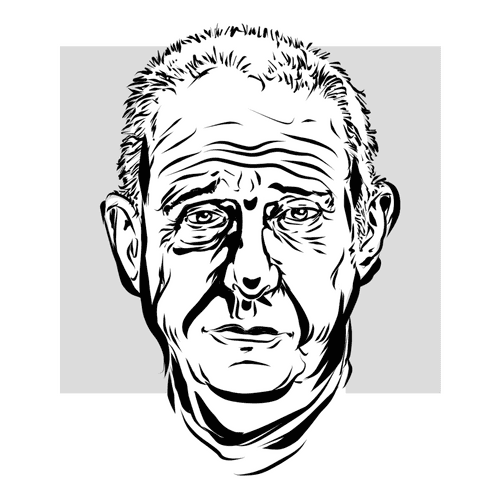
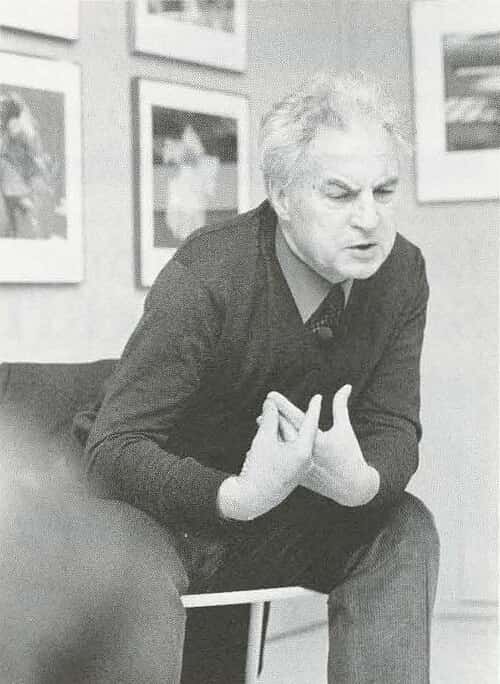
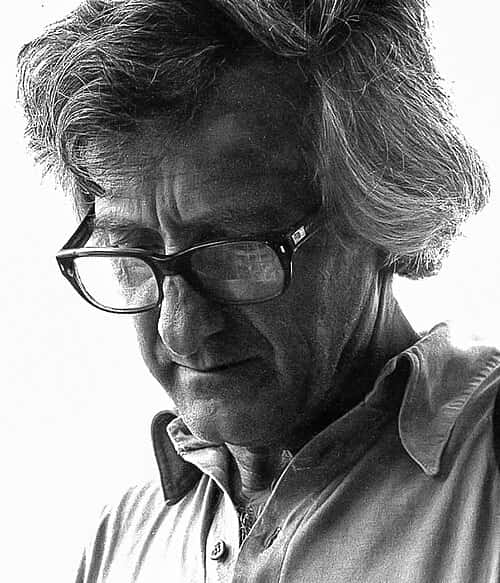
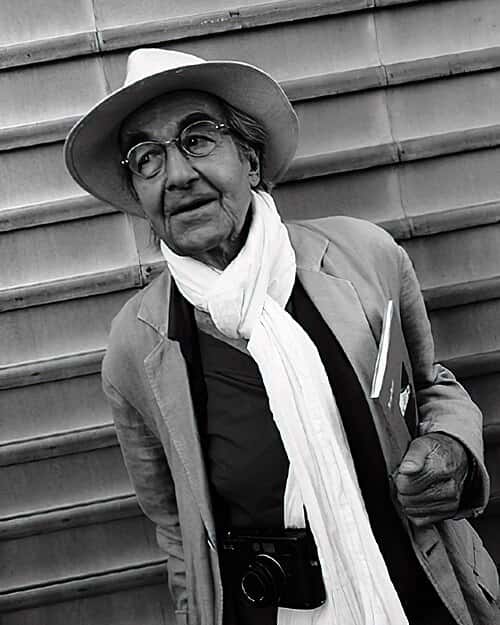
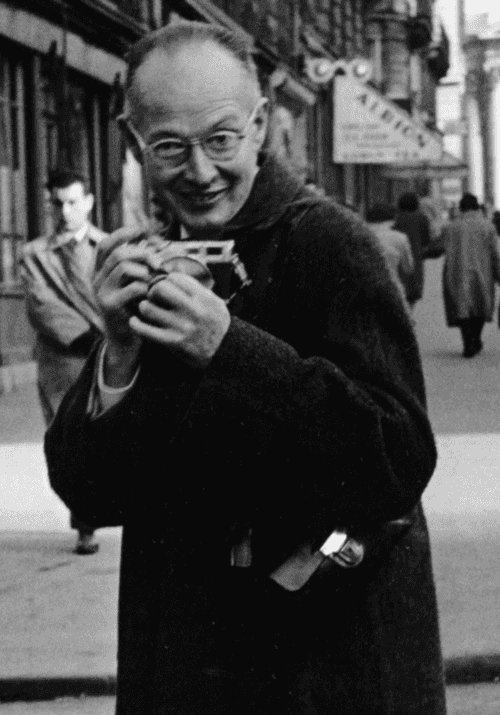
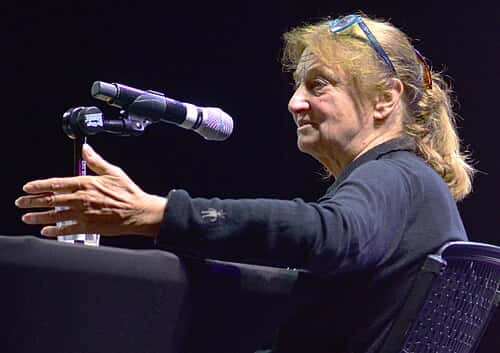
Artists who use this(10)

Henri Cartier-Bresson

Used a Leica M rangefinder throughout his career; the M3 was his primary camera from the mid-1950s onward.

Website
Robert Frank

Documented in "The Americans" catalog and multiple interviews; Frank used a Leica M3 for the cross-country trip that produced the book.

Garry Winogrand

Winogrand worked with Leica rangefinders throughout his street photography career; the M3 is documented in numerous retrospective accounts.

Saul Leiter

Leiter used a Leica rangefinder for his street work in New York; documented in interviews and the documentary "In No Great Hurry" (2013).
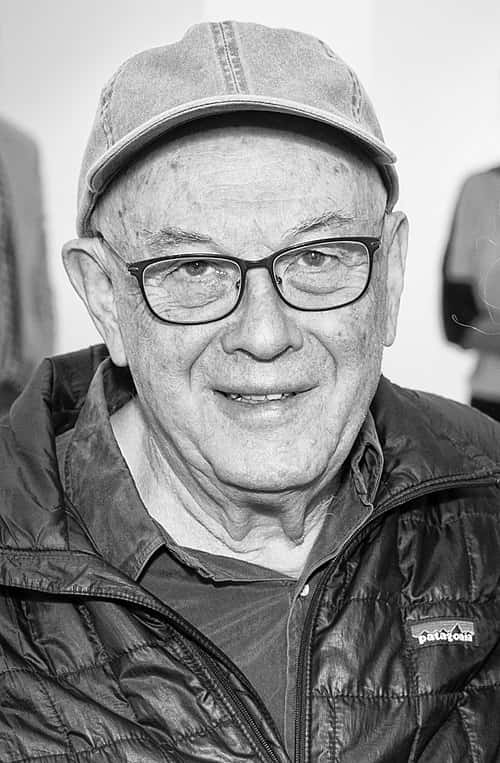
Josef Koudelka

Koudelka used a Leica rangefinder for his work in Eastern Europe, including the Prague 1968 photographs; his use of the M3 is documented in Magnum Photos interviews and retrospective accounts of his practice.

Marc Riboud

A committed Leica user throughout his career, Riboud has discussed his preference for the M rangefinder in multiple interviews; the camera's quiet shutter was well suited to the street and political work he produced over five decades.

Ernst Haas

Haas used a Leica M rangefinder for his street and motion work; his 1953 Life magazine essay on New York in color, which helped legitimize color photography in editorial work, was made with a Leica.

Danny Lyon

Lyon photographed "The Bikeriders" (1968) with a Leica M3; he has discussed the camera in interviews as central to the access he achieved while riding with the Outlaws motorcycle club, where a large camera would have changed his relationship with his subjects.

Bruce Davidson

Davidson photographed "East 100th Street" (1970) with a Leica, using a tripod and slow shutter speeds to make deliberate, formal exposures; his use of Leica equipment is documented in Magnum retrospective accounts of the project.
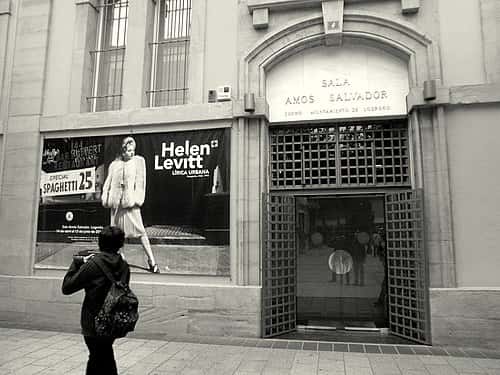
Helen Levitt

Levitt used a Leica rangefinder fitted with a right-angle viewfinder throughout her New York street work, a technique that allowed her to photograph sideways without her subjects noticing the direction of her gaze. Her use of this setup is documented in "A Way of Seeing" (1965, text by James Agee) and in accounts of her working method provided to MoMA for her 1974 retrospective.