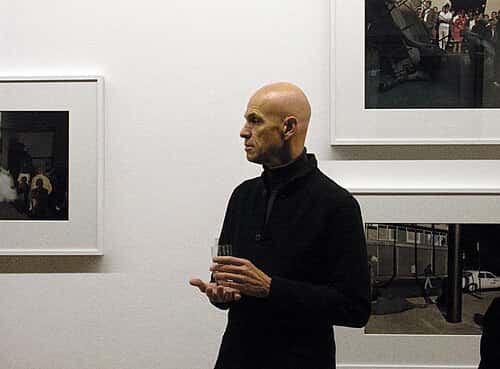
Harry Callahan
PhotographerKnown for:
photography education at the Institute of Design and RISD; portraits of his wife Eleanor
Education:
Michigan State University (engineering); self-taught photographer
Harry Callahan taught at the Institute of Design in Chicago beginning in 1946, where he worked alongside László Moholy-Nagy, and later chaired the photography program at the Rhode Island School of Design, shaping photographic education in the United States for decades. His own work encompassed multiple exposures, extreme close-ups of grasses and weeds, street photography, and an extended portrait project centered on his wife Eleanor. He received the National Endowment for the Arts' first survey grant in photography in 1972.
Harry Callahan's Gear List(3)
Leica
Connection note
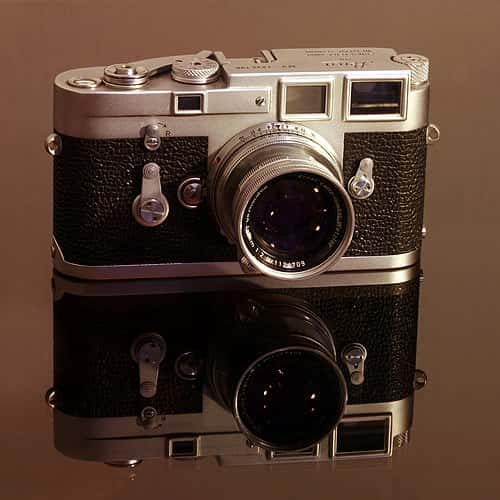
Callahan used Leica rangefinder cameras for his street photography and portraits of his wife Eleanor. His Leica practice is documented in retrospective accounts of his work at the Institute of Design.
Product description
Introduced in 1954, the M3 was Leitz's first camera to use the M bayonet mount. Its combined viewfinder and rangefinder, with 0.91x magnification, set a standard for 35mm rangefinder design that every subsequent Leica M followed.
Rollei
Know something Harry Callahan uses that's not listed?
Log in to submitRelated artists
Last updated March 20, 2026