Diane Arbus
PhotographerKnown for:
intimate portraits of people on the social margins
Education:
Studied with Lisette Model at the New School for Social Research; largely self-taught
Diane Arbus spent most of her career photographing people at the margins of American society - circus performers, nudists, transgender women, twins - with a directness and formal sympathy that had little precedent. She was among the first photographers to receive a Guggenheim Fellowship, in 1963. Her posthumous retrospective at MoMA in 1972 drew more visitors than any photography exhibition the museum had staged to that point.
Diane Arbus's Gear List(3)
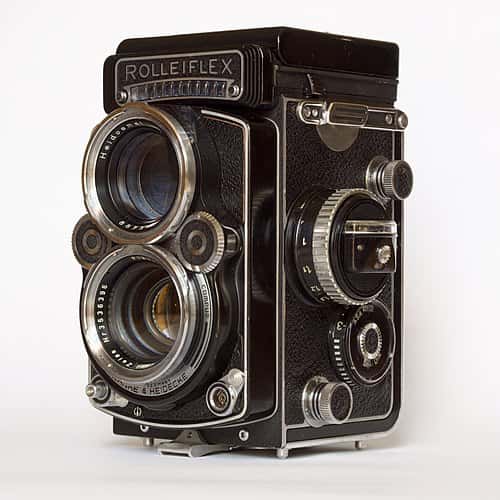
Rollei
Connection note
Documented in Patricia Bosworth's biography and in Arbus's own correspondence; she adopted the Rolleiflex in the early 1960s.
Product description
The 2.8F, produced from 1960 to 1981, is the final production version of the twin-lens Rolleiflex. It uses a Zeiss Planar 80mm f/2.8 taking lens and produces 6×6cm negatives on 120 film.
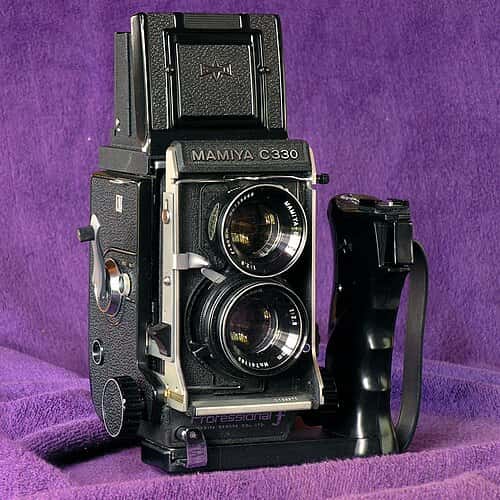
Mamiya
Know something Diane Arbus uses that's not listed?
Log in to submitRelated artists
Last updated March 20, 2026