Camera
Rollei
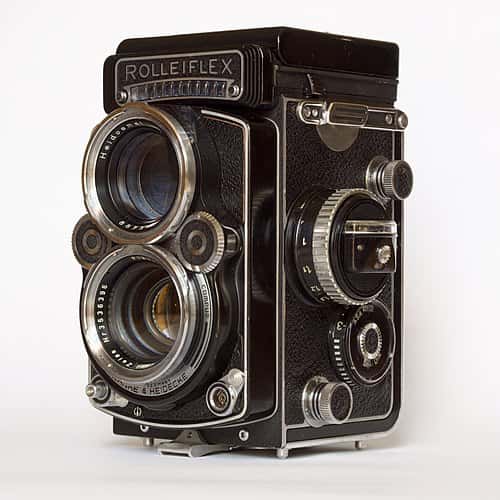
Rolleiflex 2.8F
The 2.8F, produced from 1960 to 1981, is the final production version of the twin-lens Rolleiflex. It uses a Zeiss Planar 80mm f/2.8 taking lens and produces 6×6cm negatives on 120 film.
Artists who use this(7)
Connection note
Her Rolleiflex 2.8F is documented throughout the film "Finding Vivian Maier" (2013) and in photographs of her at work.
Connection note
Documented in Patricia Bosworth's biography and in Arbus's own correspondence; she adopted the Rolleiflex in the early 1960s.
Connection note
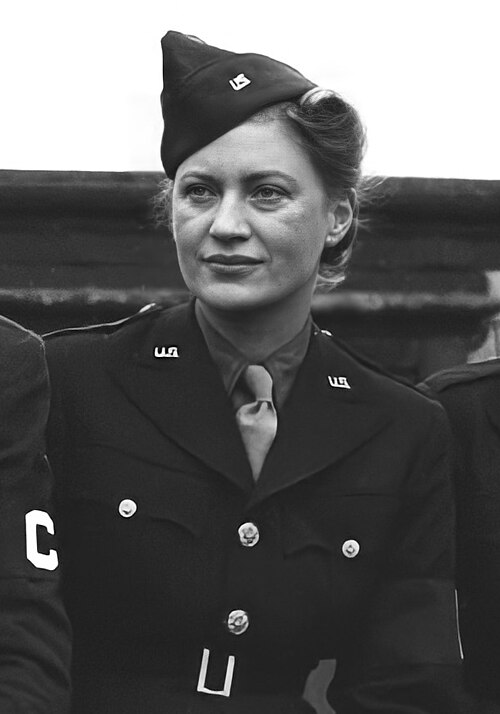
Miller used a twin-lens Rolleiflex for her war correspondence work and field photography; the camera's square format and waist-level viewfinder suited conditions in which raising a 35mm camera to eye level would attract attention or disrupt access. Her Rolleiflex is documented in "The Lives of Lee Miller" (1985) by Antony Penrose and in the Lee Miller Archives.
Know an artist who uses the Rollei Rolleiflex 2.8F?
Log in to submitLast updated March 19, 2026