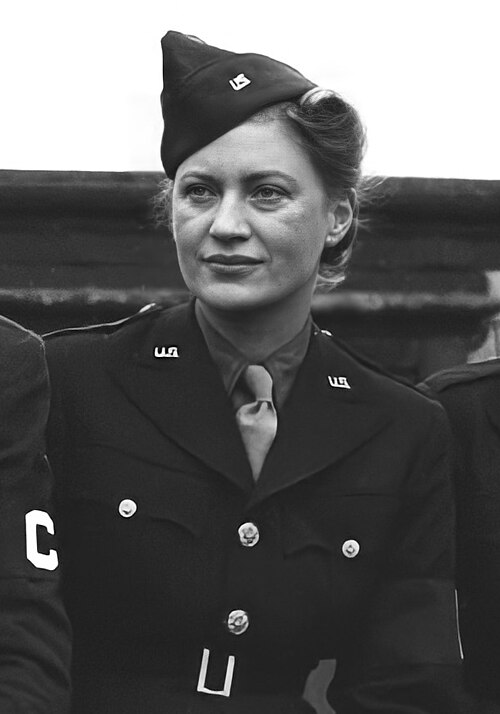
U.S. Army Official Photograph
Lee Miller
PhotographerKnown for:
Surrealist photography and World War II photojournalism for Vogue
Education:
Art Students League of New York; apprenticed with Man Ray in Paris
Lee Miller began her career as a model before studying with Man Ray in Paris and becoming a practitioner of Surrealist photography in her own right. When World War II broke out, she became a war correspondent for Vogue, photographing the liberation of Paris, the concentration camps at Dachau and Buchenwald, and the fall of the Third Reich. Her photograph of herself bathing in Hitler's bathtub in Munich - taken on the day of his death - is among the most discussed documentary photographs of the war.
Lee Miller's Gear List(1)
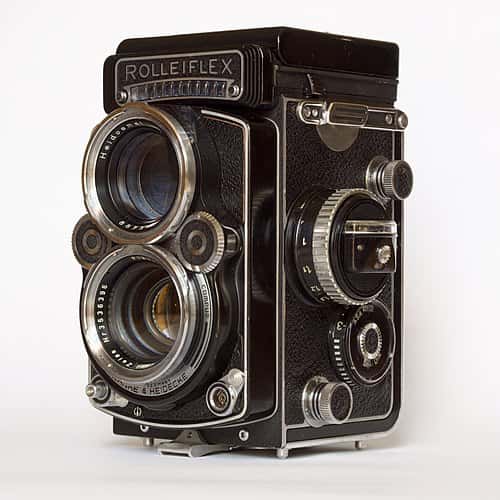
Rollei
Connection note
Miller used a twin-lens Rolleiflex for her war correspondence work and field photography; the camera's square format and waist-level viewfinder suited conditions in which raising a 35mm camera to eye level would attract attention or disrupt access. Her Rolleiflex is documented in "The Lives of Lee Miller" (1985) by Antony Penrose and in the Lee Miller Archives.
Product description
The 2.8F, produced from 1960 to 1981, is the final production version of the twin-lens Rolleiflex. It uses a Zeiss Planar 80mm f/2.8 taking lens and produces 6×6cm negatives on 120 film.
Know something Lee Miller uses that's not listed?
Log in to submitRelated artists
Last updated March 20, 2026