W. Eugene Smith
PhotographerKnown for:
photo-essay journalism at Life magazine
Education:
Notre Dame University (photography scholarship, one year); New York Institute of Photography
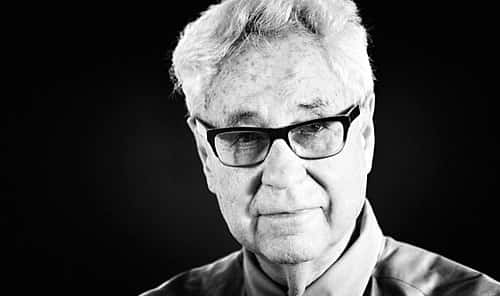
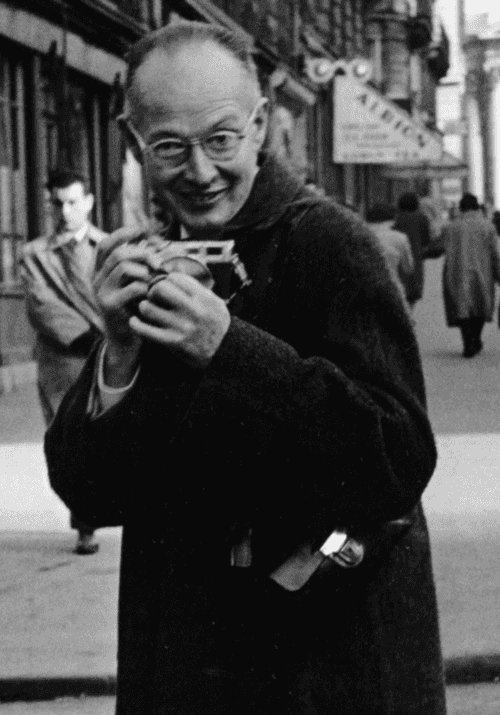
W. Eugene Smith developed a form of photo-essay journalism at Life magazine that treated the camera as an instrument of moral witness. His essays "Country Doctor" (1948) and "Nurse Midwife" (1951) established the form's possibilities for sustained narrative. His final major project, documenting mercury poisoning in Minamata, Japan, was published as a book in 1975.
W. Eugene Smith's Gear List(3)
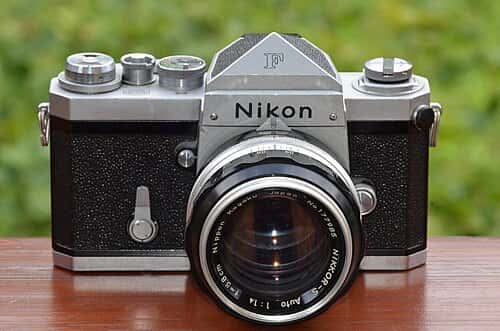
Nikon
Connection note
Smith used Nikon cameras for his photo-essay work at Life magazine, particularly the later essays. His use of Nikon equipment is documented in "W. Eugene Smith: Shadow and Substance" (1989) and in his correspondence.
Product description
Introduced in 1959, the Nikon F was Japan's first professional 35mm SLR. Its rugged construction, interchangeable viewfinders, and the F-mount lens system made it the predominant camera in photojournalism and war photography through the 1970s.
Know something W. Eugene Smith uses that's not listed?
Log in to submitRelated artists
Last updated March 20, 2026