Jan van Eyck
Jan van Eyck
PainterKnown for:
the Ghent Altarpiece (1432); oil painting technique
Education:
No formal records survive; likely trained by his brother Hubert van Eyck
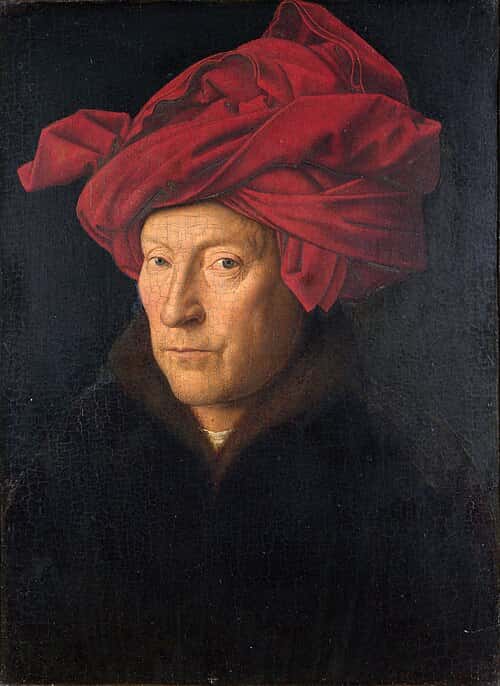
Jan van Eyck is credited with perfecting the technique of oil painting - building translucent glazes of linseed oil and pigment in layers of extraordinary subtlety - that defined Flemish painting and influenced Italian Renaissance technique. The Arnolfini Portrait (1434) and the Ghent Altarpiece (1432, completed with his brother Hubert) are among the most technically ambitious paintings of the fifteenth century. Almost nothing is known of his life before 1422, when he entered the service of the Duke of Holland.
Jan van Eyck's Gear List(2)
Generic
Connection Source
ArtenetWebsite
Connection note
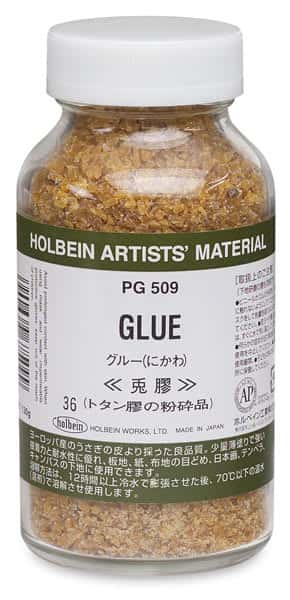
Pioneer of oil technique using heat-bodied linseed oil; built translucent glazes of hand-ground pigments over chalk-and-glue grounds on oak panels
Product description
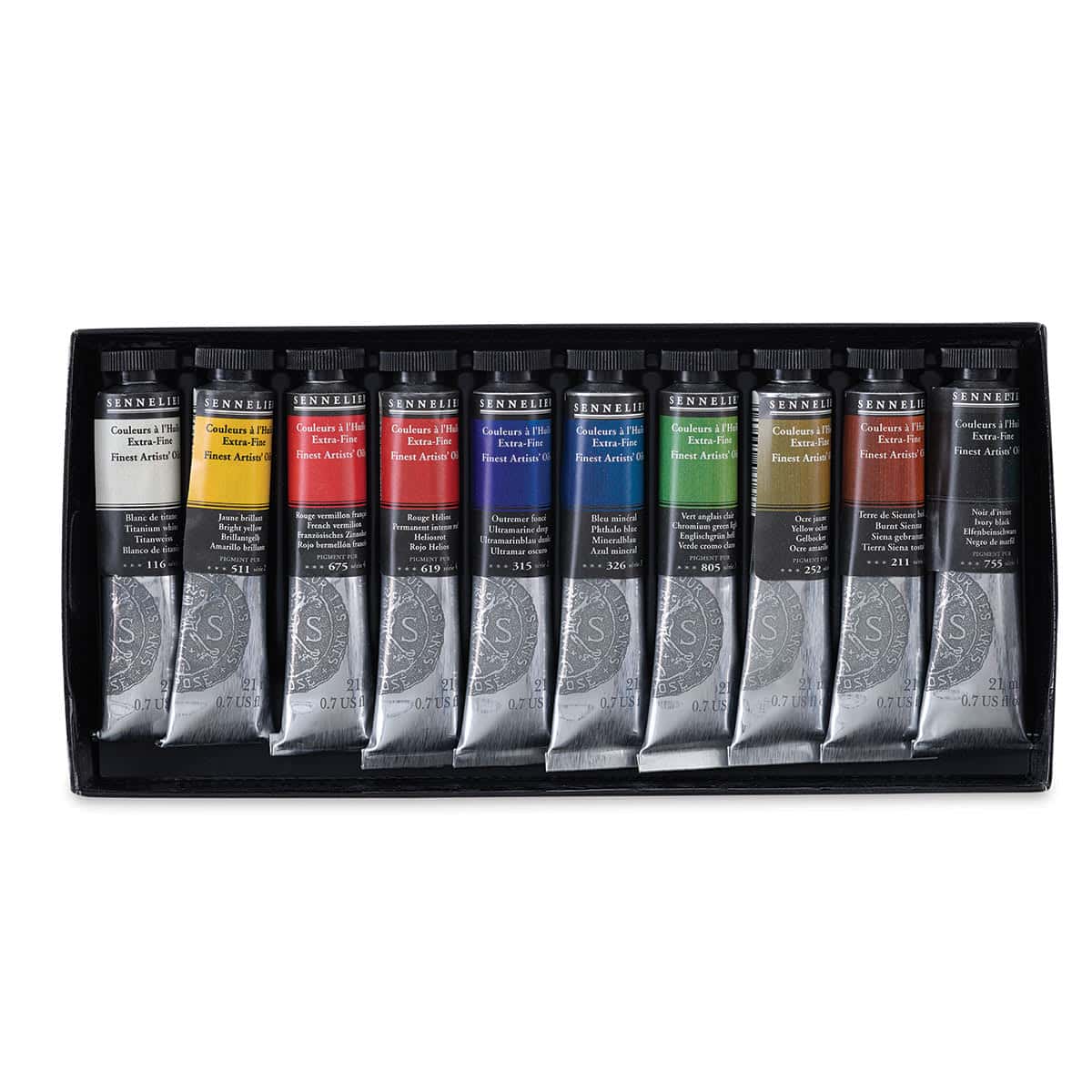
Oil paint — pigment suspended in a drying oil, typically linseed — has been the dominant painting medium since the fifteenth century. It dries slowly, allowing extended blending, and produces a rich, luminous surface. Available from dozens of manufacturers at student through professional grades.
Know something Jan van Eyck uses that's not listed?
Log in to submitRelated artists
Last updated March 20, 2026