Paint
Generic
Oil Paint
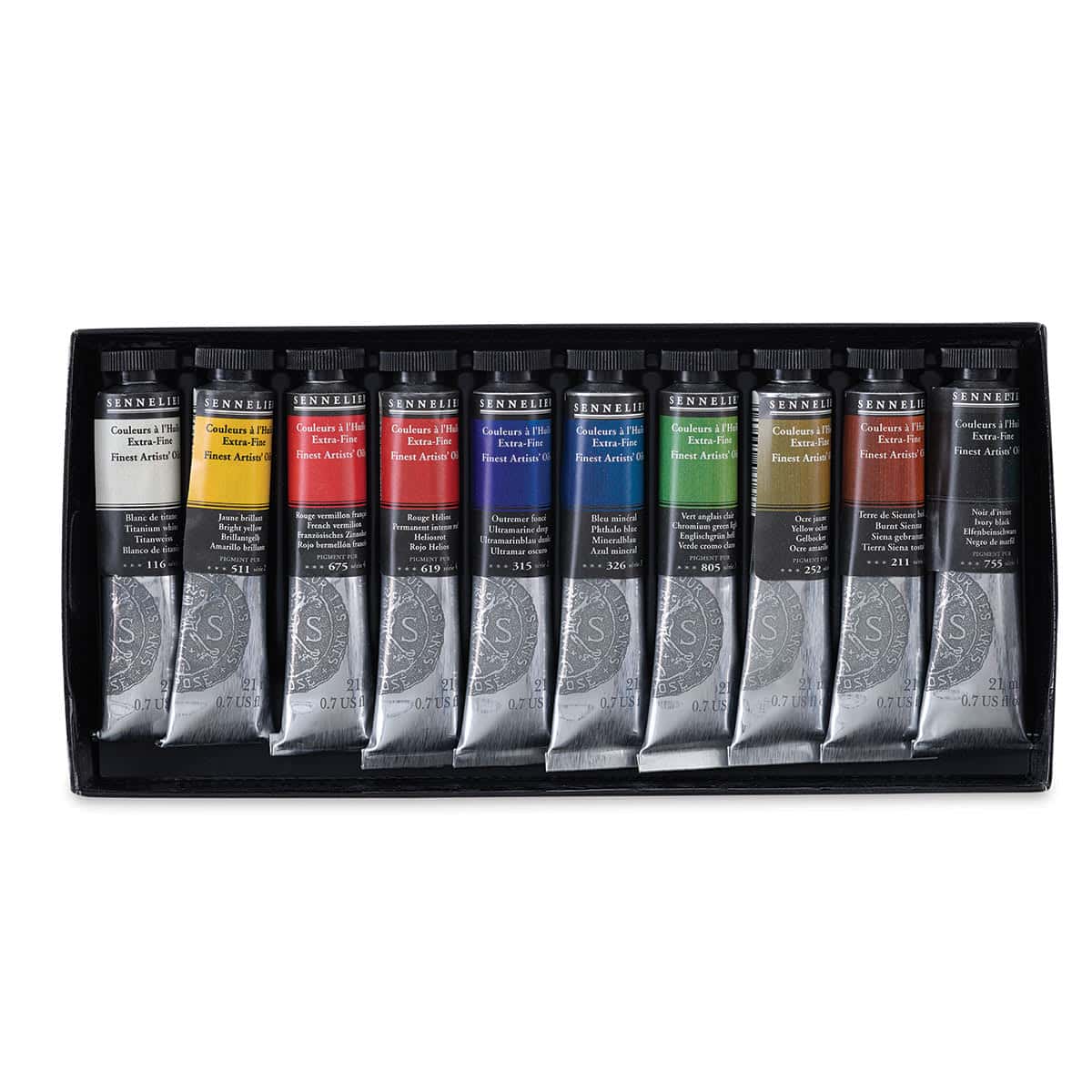
Oil paint — pigment suspended in a drying oil, typically linseed — has been the dominant painting medium since the fifteenth century. It dries slowly, allowing extended blending, and produces a rich, luminous surface. Available from dozens of manufacturers at student through professional grades.
Artists who use this(66)
Connection note
Oil glazes applied over dried acrylic layers for depth and luminosity.

Connection note
Richter's oil paint is purchased in bulk cans and strained through muslin by his assistants. He applies it with a custom Perspex squeegee, wide-headed brushes, and palette knives. Specific paint brand not publicly documented.
Connection note
Saville's primary medium is oil paint applied in thick, sculptural layers. She drags, smears, and sculpts the paint with obsessive energy, building up visceral surfaces on massive canvases often exceeding 7 feet in height. Specific paint brand not publicly documented.
Connection note
Wiley's primary medium is oil on canvas with smooth application and painstaking erasure of visible brushwork, reminiscent of Flemish and Northern Renaissance painting. Some works combine oil and enamel, and gold enamel on canvas. Specific paint brand not publicly documented.

Connection note
Oil paint is Brown's "desert island medium." She strongly advises against Winton (W&N student grade), calling it "waxy and awful." Most works are oil on linen; some are oil on aluminum. Specific preferred brand not publicly documented.
Connection note
Primary medium is oil paint on wooden panels. Mann deliberately avoids endorsing specific brands, stating "It matters not the materials that one uses." His process is intensely physical — using rubber brayers, custom scrapers, household paint rollers, solvent washes, door jams, and windshield wipers.
Connection note
Paints wet-into-wet in a single session, pre-mixing all colors in jars; works are oil on linen
Connection note
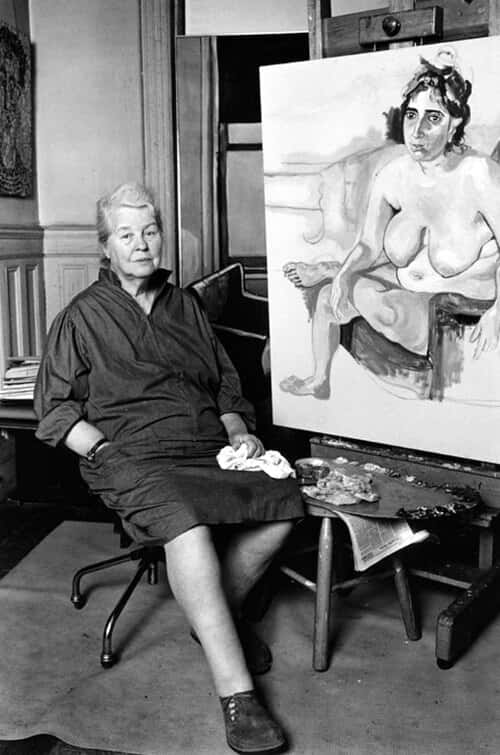
Primary medium throughout her career; began each portrait with a characteristic blue underdrawing directly on canvas
Connection note
Mixes Naples Yellow with black to create her signature grisaille skin tones, a technique learned under Odd Nerdrum
Connection note
Uses oil and acrylic together on linen, applying paint with rags, trowels, and scrapers rather than traditional brushes
Connection note
Used oil paint for figures with a varnished finish, creating a deliberate material contrast with matte acrylic backgrounds
Connection note
Mixed oil paint with beeswax and turpentine (1966-1981), later switched to terpineol as a medium for a thinner, more luminous surface
Connection note
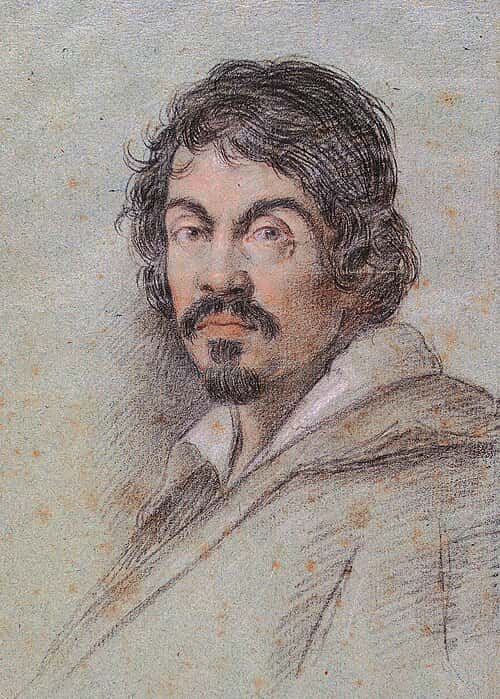
Worked exclusively in oil on canvas, using pigments ground in linseed or walnut oil on a dark reddish-brown ground (mestica)
Connection note
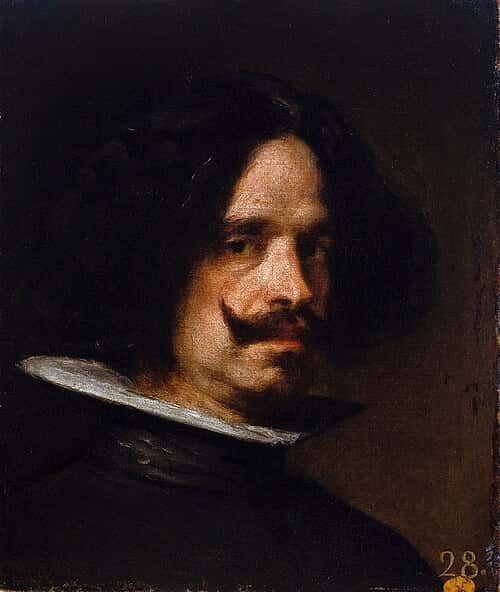
Applied oil paint thinly alongside house paint, graphite, and crayon; said "pencil is more my medium than wet paint"
Connection note
Painted in oil on linen and hemp canvas; limited palette of earth pigments, lead white, vermilion, and azurite with linseed oil binder

Connection note
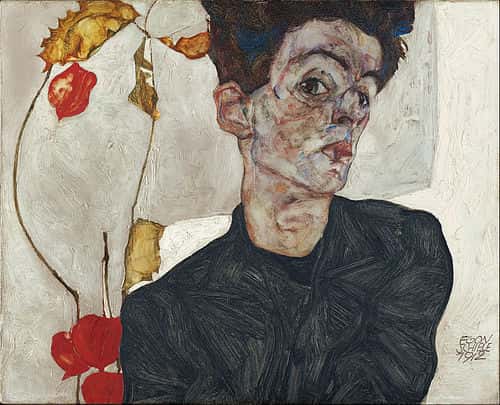
Used oil bound with linseed oil on canvas and cardboard; pigments included cadmium yellow, vermilion, ultramarine, and viridian
Connection note
Used for paintings on canvas and cardboard, particularly in early career (1907-1910)

Connection note
Paints with pure, unmixed colors in thin glazes on heavily gessoed masonite panels sanded smooth like glass; never uses black paint
Connection note
Mixed his own colors meticulously (never straight from the tube) on cotton duck canvas; black oil paint could take a month to cure
Connection note
Discovered oil painting on glassine paper soaked in linseed oil; the slick surface let him erase mistakes freely and work at speed
Connection note
Works on uncut rolls of canvas, building paintings over months; applies color then sets work aside before returning to adjust
Connection note
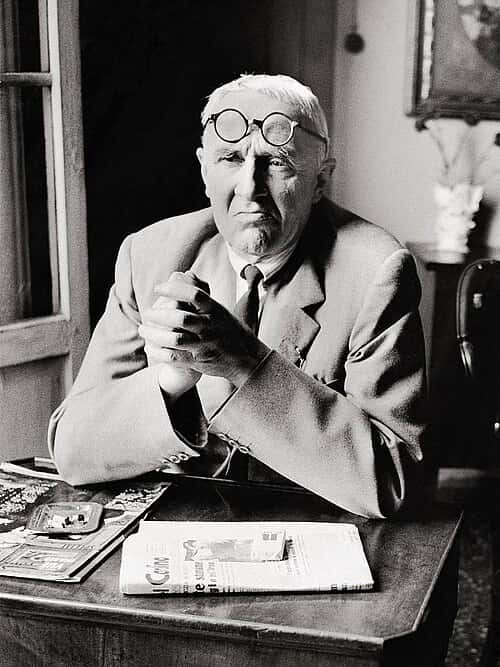
Applied oil paint in varying densities over charcoal compositions, from thin washes to thick textured passages; mixed sand, sawdust, and iron filings into paint
Connection note
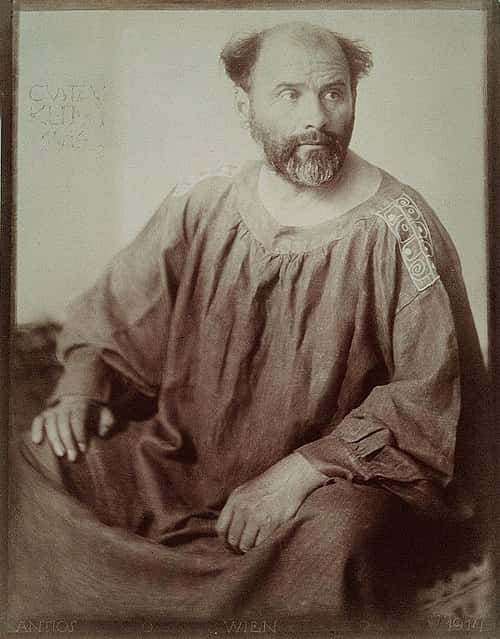
Ground his own pigments early in his career; transitioned to industrial tubes by the 1930s-40s; mixed zinc white into nearly every color for transparency
Connection note
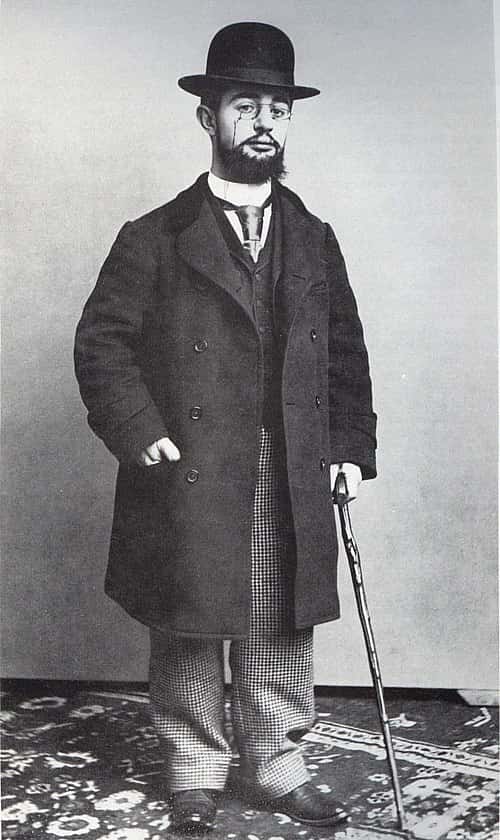
Used oil with casein paint and gold leaf; applied casein to dried plaster for a distinctive matte effect
Connection note
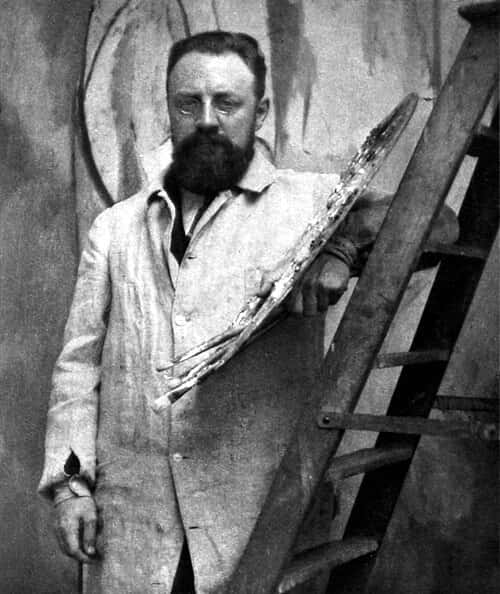
Pioneered peinture a l'essence technique: oil heavily thinned with turpentine on cardboard, making painting as fast as drawing
Connection note
Primary painting medium before the cut-out period; works consistently listed as oil on canvas
Connection note
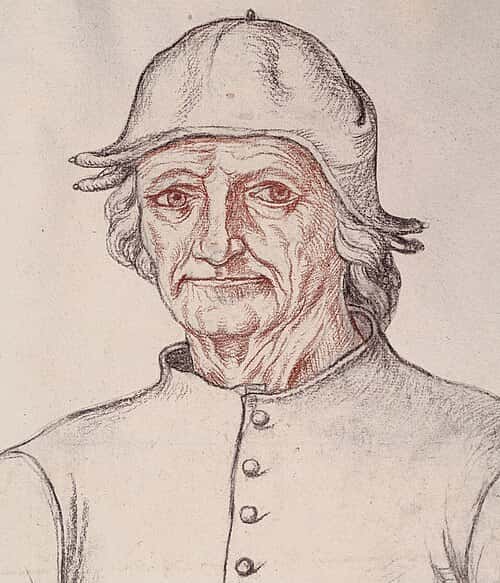
Painted in oil on oak panels using a late Gothic palette of azurite, vermilion, lead-tin yellow, and malachite; applied wet-on-wet (alla prima)
Connection note
Uses oil in varied consistencies from thin washes to thick impasto; creates stencil effects by taping areas and pouring paint
Connection note
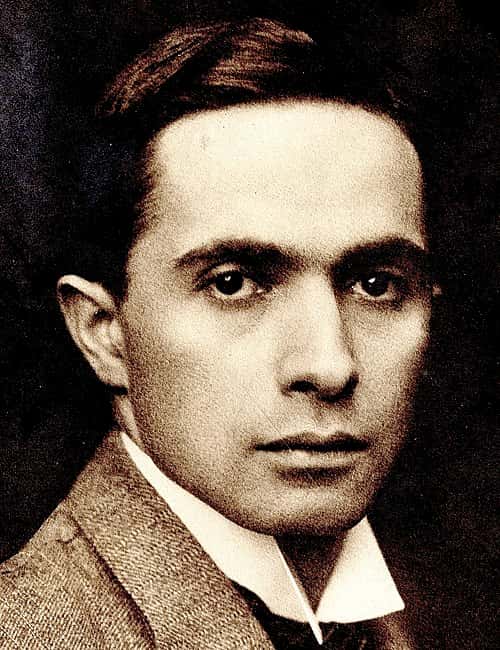
Mixed a daily fresh blend of stand oil, linseed oil, and turpentine; started with thin sable washes then built up with heavier bristle brushwork
Connection note
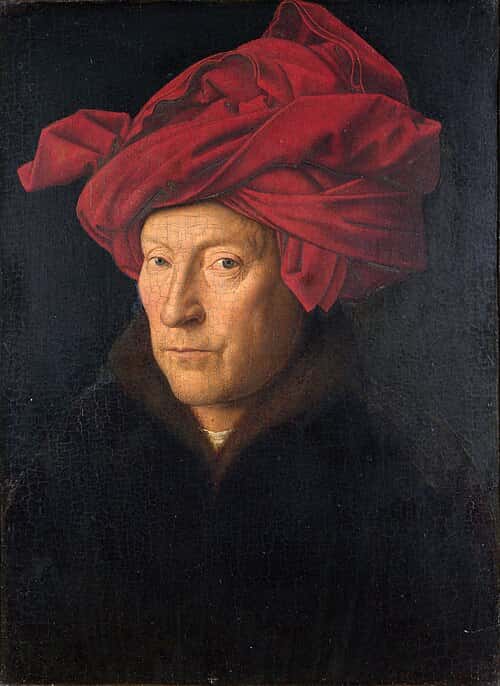
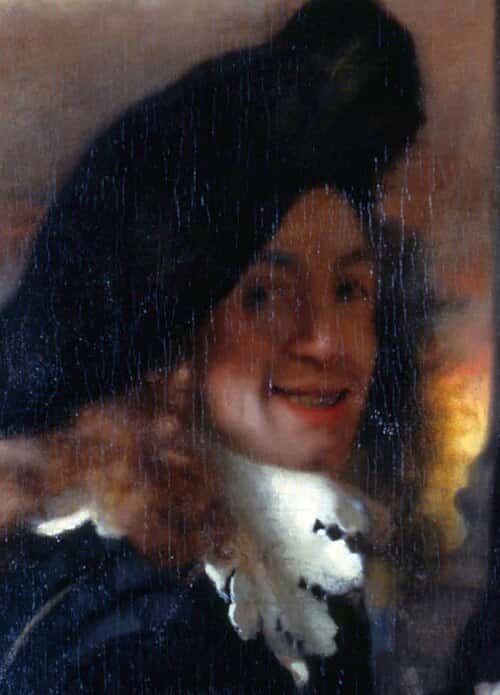
Pioneer of oil technique using heat-bodied linseed oil; built translucent glazes of hand-ground pigments over chalk-and-glue grounds on oak panels
Connection note
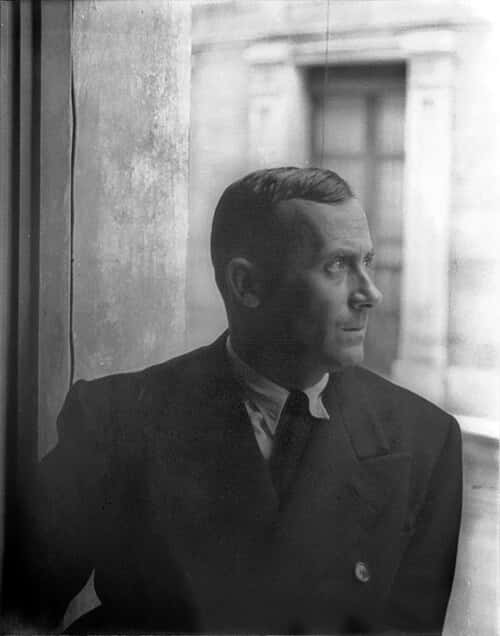
Used approximately 20 pigments in linseed, walnut, and poppy oil on linen canvas; natural ultramarine from lapis lazuli was his signature blue
Connection note
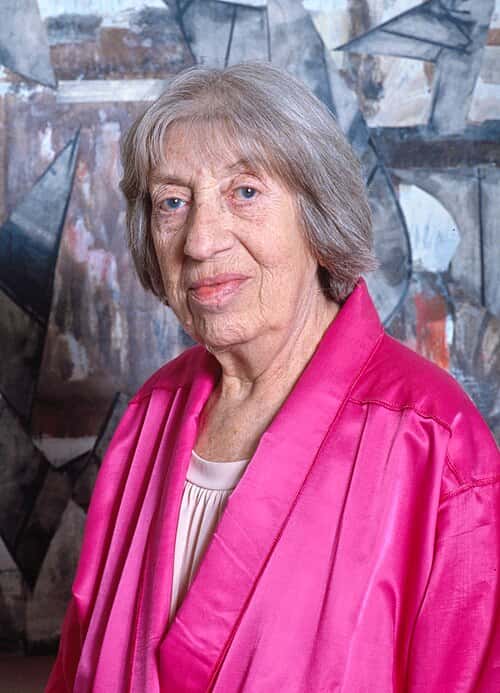
Works intuitively on wood panels using oil, enamel, and spray paint; tapes, stencils, and incises the surface
Connection note
Worked in oil on canvas, linen, cotton duck, and masonite; applied paint with palette knife, stiff brush, and directly from tubes
Connection note
Used oil on canvas for early Surrealist works including portraits of Max Ernst

Connection note
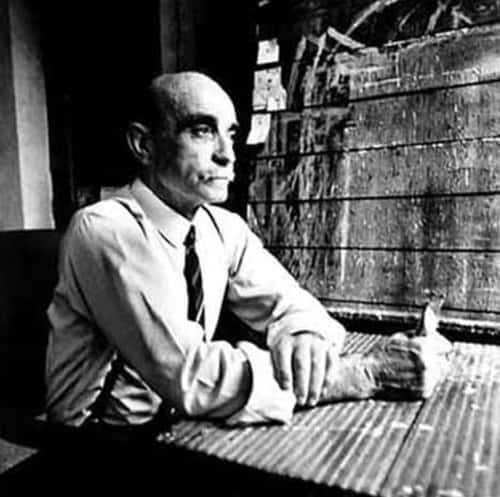
Applies thin glazes wet-on-wet, completing each painting in a single day; deliberately uses cheap materials to cause image degradation
Connection note
Applied thick oil impasto by hand and brush, then slashed with a Stanley knife while still wet; also used water-based paint and alkyd resins
Connection note
Works wet-on-wet (alla prima), typically completing paintings in a single day; never uses ready-made black, mixing blues and browns instead
Connection note
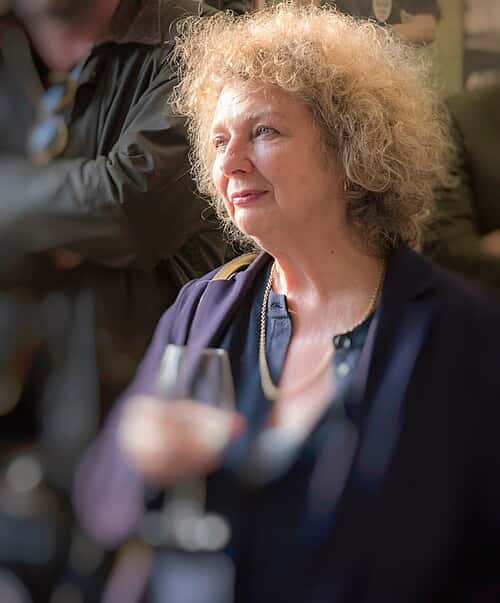
Applies paint in thin layers, deliberately leaving some areas with only one coat; finishes when there is no room for another brushstroke
Connection note
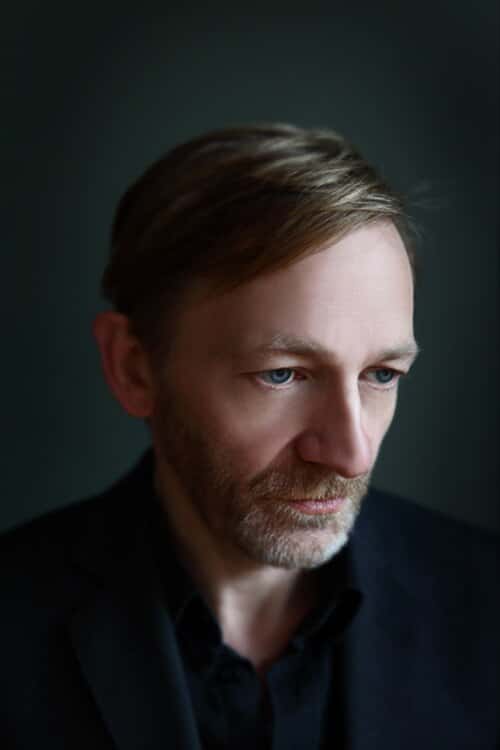
Thins oil to near-turpentine consistency; grabs whatever paint is available rather than restricting to premium brands
Connection note
Builds paintings through many thin transparent layers on a pre-toned ground; never works on white canvas
Connection note
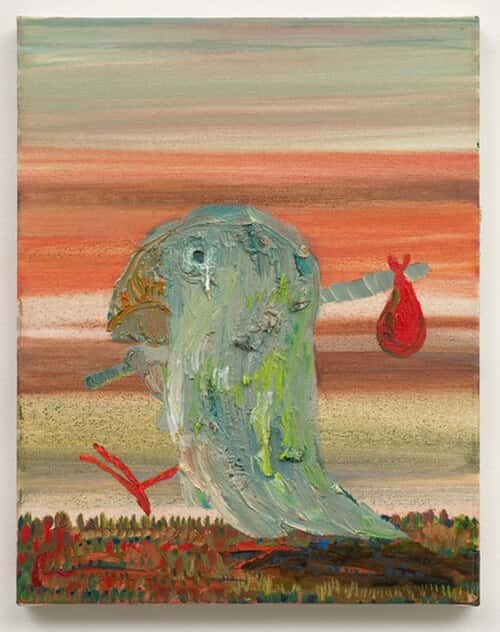
Applied unmixed single-hue patches with putty knife and trowel; in final period, thinned paint with turpentine and applied with wads of gauze
Connection note
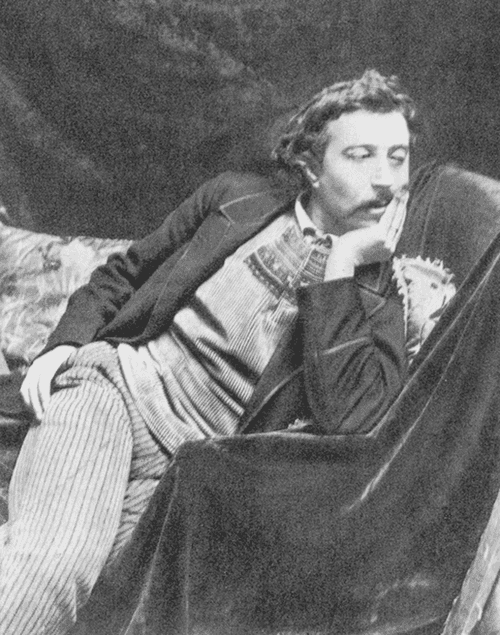
Combines Italian glaze techniques with richly painted impasto recalling Guston; also works in acrylic, ink, and watercolor
Connection note
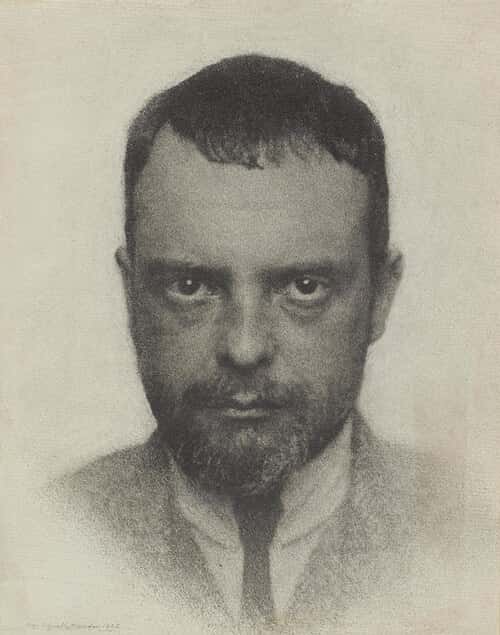
Added wax to oil paints for smoothness; painted on absorbent grounds for matte finish; used burlap when canvas ran out in Tahiti
Connection note
Applied oil paint on top of acrylic for additional richness and depth
Connection note
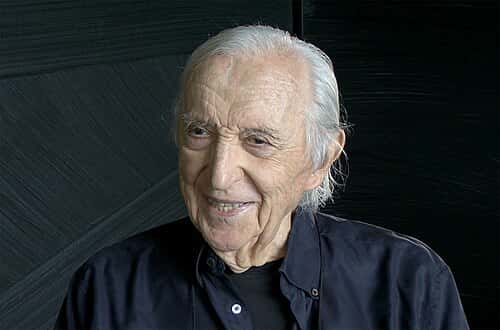
Built thick black Outrenoir surfaces reflecting light differently depending on angle; used house-painting brushes and improvised tools
Connection note
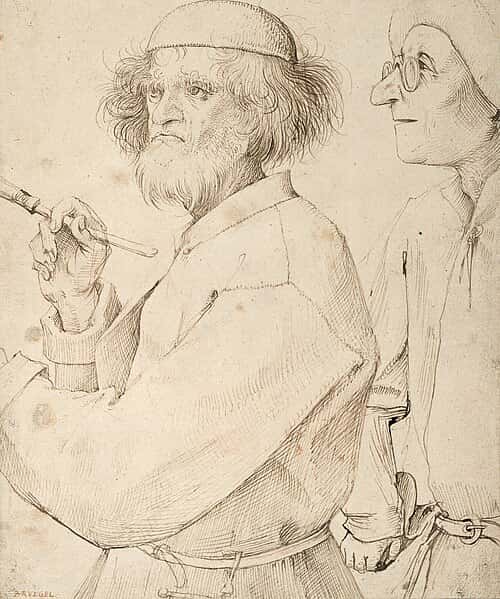
Painted in oil on Baltic oak panels with chalk-and-glue ground; limited palette of earth pigments, smalt, azurite, vermilion, and lead white
Connection note
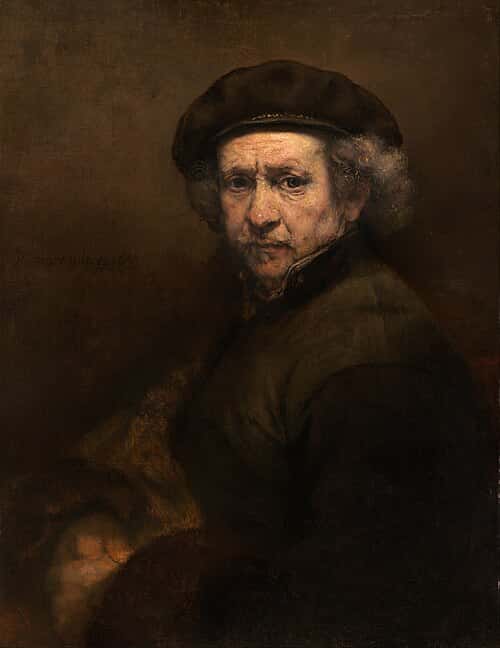
Used a limited palette of lead white, bone black, and earth pigments in linseed oil; added lead oxide to create paste-like impasto
Connection note
Painted in short layered strokes on gessoed masonite panels, more like tempera than typical oil technique; used single-hair brushes for fine details

Connection note
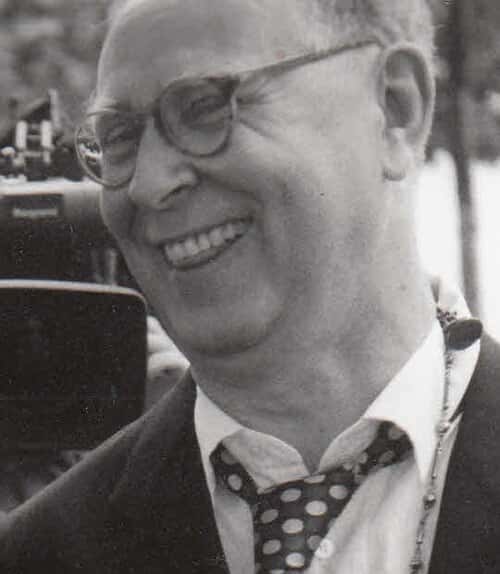
Added sand and marble dust to pigments to materialize color as texture; scratched canvas with brush handles for additional surface effects
Connection note
Experimental alchemist who combined oil, lacquer, synthetic resin, and toxic pigments (arsenic, uranium) on polyester, patterned fabrics, and burlap
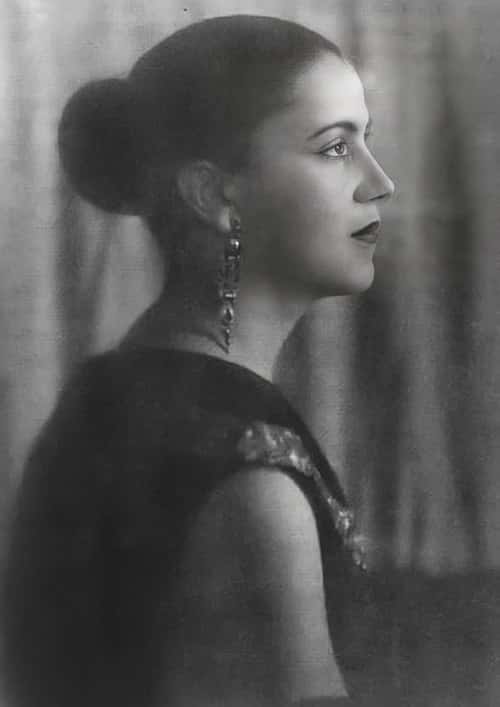
Connection note
Worked in oil on canvas; palette included cadmium, cobalt, chromium, and earth pigments identified through MA-XRF analysis
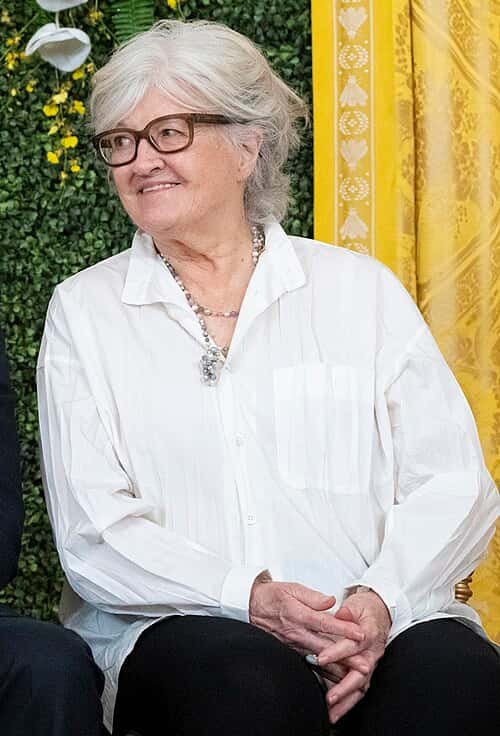
Connection note
Uses oil with cerulean mixed into blacks for atmosphere; also known for photorealistic graphite drawings using H through B grade pencils

Connection note
Purchased paints from Tasset et L'Hote and Lefranc & Cie through brother Theo; Sunflowers painted with three chrome yellows, yellow ochre, and emerald green
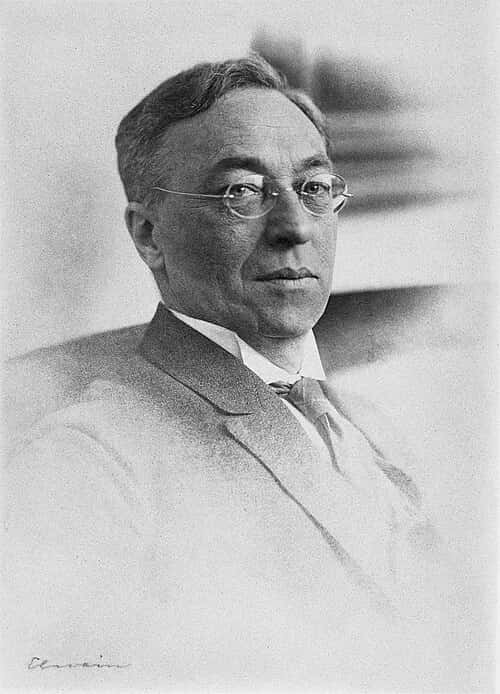
Connection note
Worked across oil, watercolor, gouache, and tempera on diverse supports; used Ripolin enamel house paint mixed with tube paints in his Paris period
Connection note
Diluted oil to watercolor-thin consistency; prepared canvases with white or yellow casein ground; sketched underdrawings in charcoal
Connection note
Invented International Klein Blue (IKB) by binding ultramarine pigment 1311 with Rhodopas M polyvinyl acetate resin; applied with rollers, never brushes
Connection note
Primary medium is oil on linen, documented across her entire career in David Zwirner gallery listings.
Connection note
Primary medium is oil on canvas with heavy impasto application. She pre-mixes approximately 50 colors before each painting session.
Know an artist who uses the Generic Oil Paint?
Log in to submitLast updated April 9, 2026