Unknown authorUnknown author
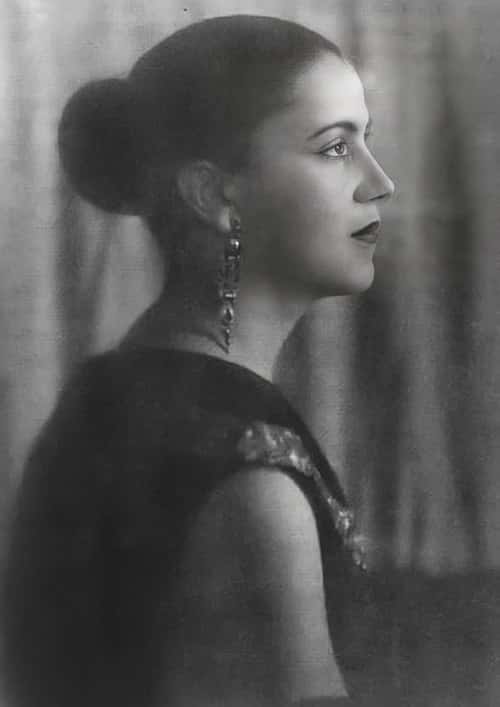
Tarsila do Amaral
PainterKnown for:
Abaporu (1928); Brazilian Modernism and Antropofagia
Education:
Académie Julian, Paris; studied with André Lhote, Fernand Léger, and Albert Gleizes
Tarsila do Amaral studied in Paris with Fernand Léger and Gleizes before returning to Brazil and, with the poet Oswald de Andrade, developing Antropofagia - a Brazilian cultural movement that proposed the "cannibalistic" consumption and transformation of European modernism into something distinctly Brazilian. Her painting Abaporu (1928), a giant-footed figure in a tropical landscape, became the emblem of this movement and sold for $1.4 million in 1995, then the highest price paid at auction for a Latin American work. The Museu de Arte Contemporânea in São Paulo holds her largest collection.
Tarsila do Amaral's Gear List(1)
Generic
Connection Source
MomaWebsite
Connection note
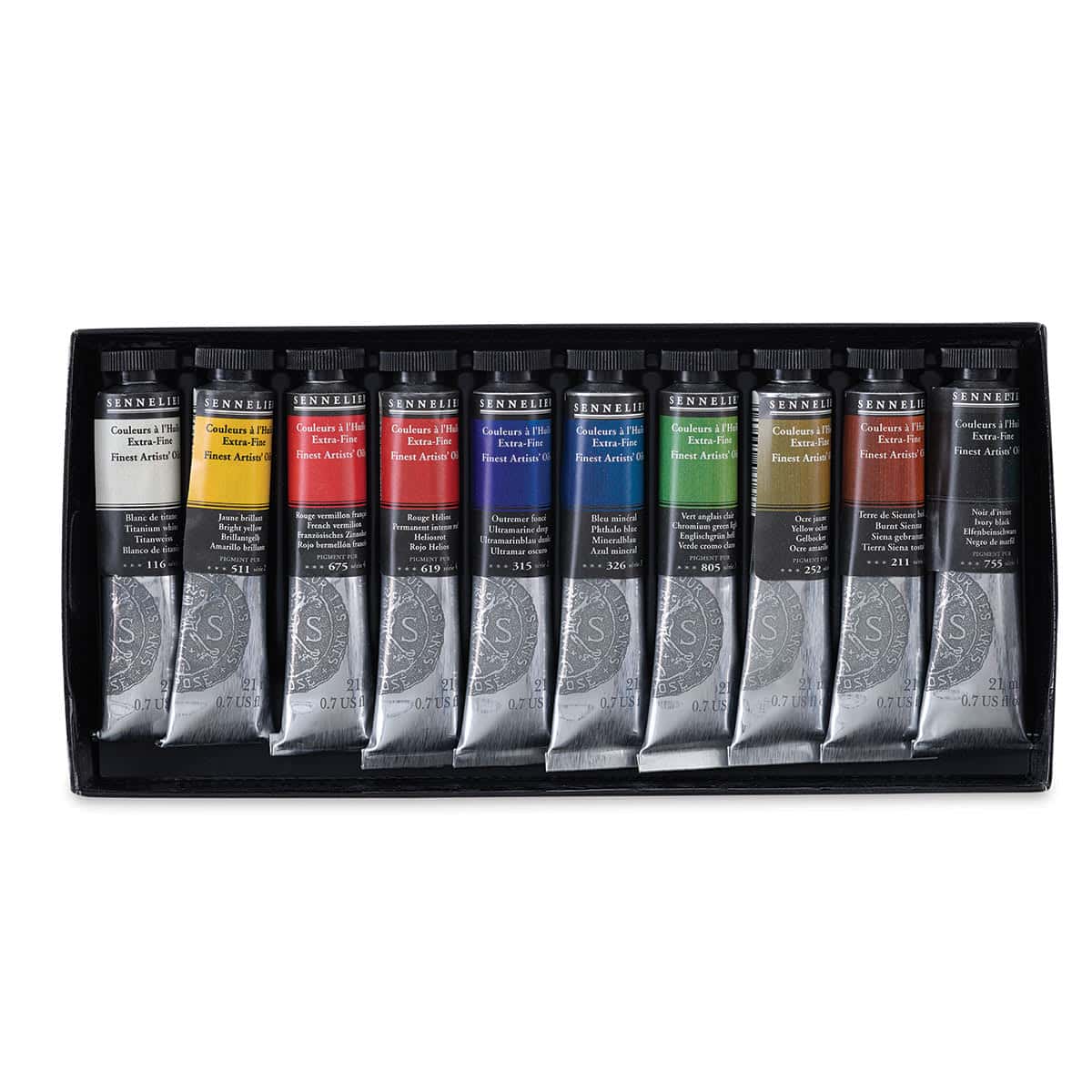
Worked in oil on canvas; palette included cadmium, cobalt, chromium, and earth pigments identified through MA-XRF analysis
Product description
Oil paint — pigment suspended in a drying oil, typically linseed — has been the dominant painting medium since the fifteenth century. It dries slowly, allowing extended blending, and produces a rich, luminous surface. Available from dozens of manufacturers at student through professional grades.
Know something Tarsila do Amaral uses that's not listed?
Log in to submitRelated artists
Last updated March 20, 2026