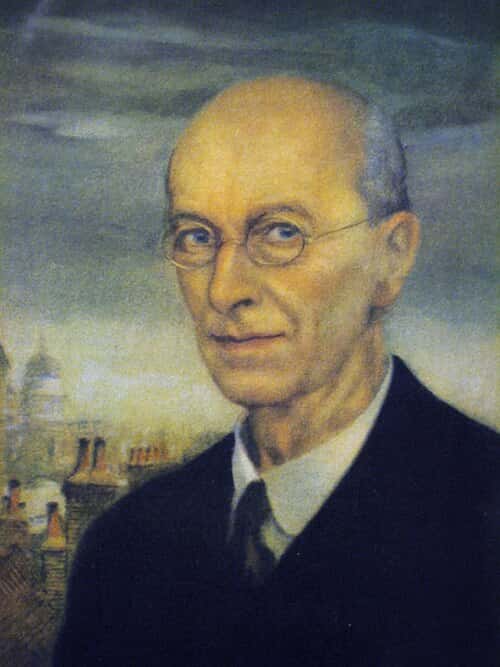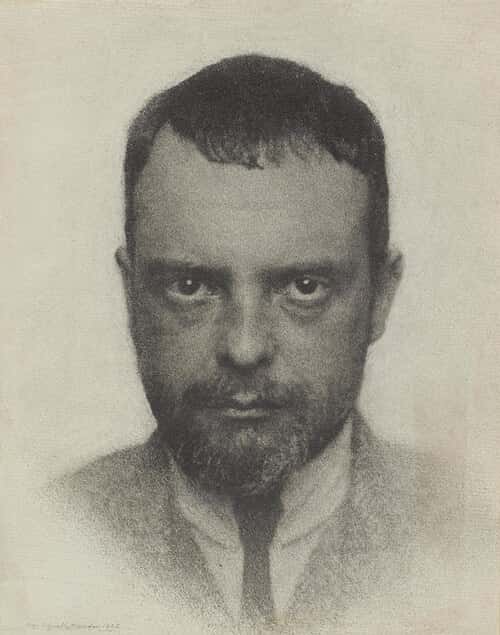
Hugo Erfurth
Paul Klee
PainterKnown for:
poetic abstraction; Twittering Machine (1922)
Education:
Munich Academy of Fine Arts (under Franz von Stuck, 1900)
Paul Klee taught at the Bauhaus from 1921 to 1931 while developing a personal pictorial language of signs, symbols, and notational marks that drew on children's drawing, music theory - he was also a trained violinist - and his travels in Tunisia, where the color and light transformed his approach to painting. He produced more than 9,000 works in his lifetime across watercolor, oil, and drawing, many of them small. His theoretical writings, collected in the Pedagogical Sketchbook and The Thinking Eye, remain central texts in art education.
Paul Klee's Gear List(4)
Generic
Connection Source
HandprintWebsite
Connection note
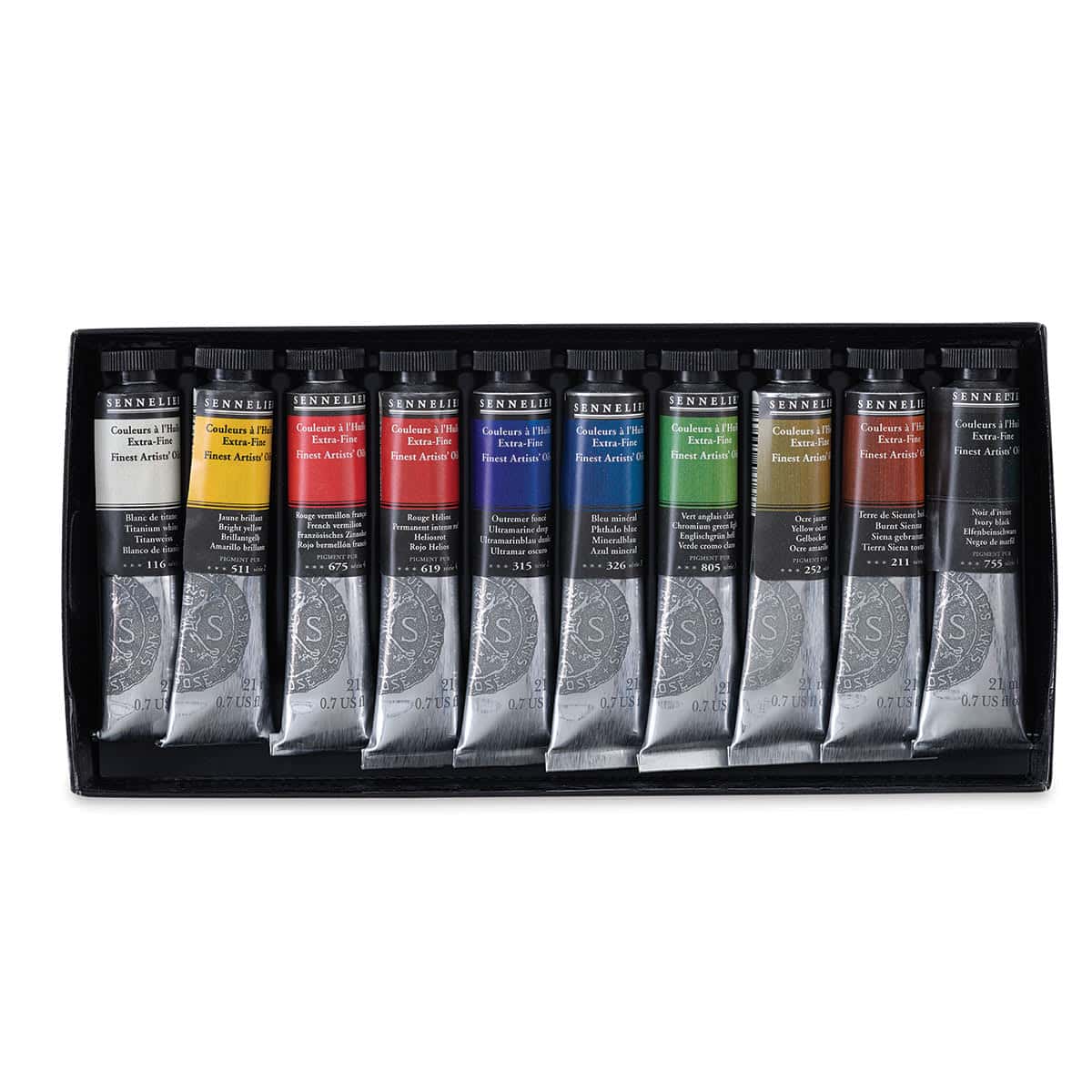
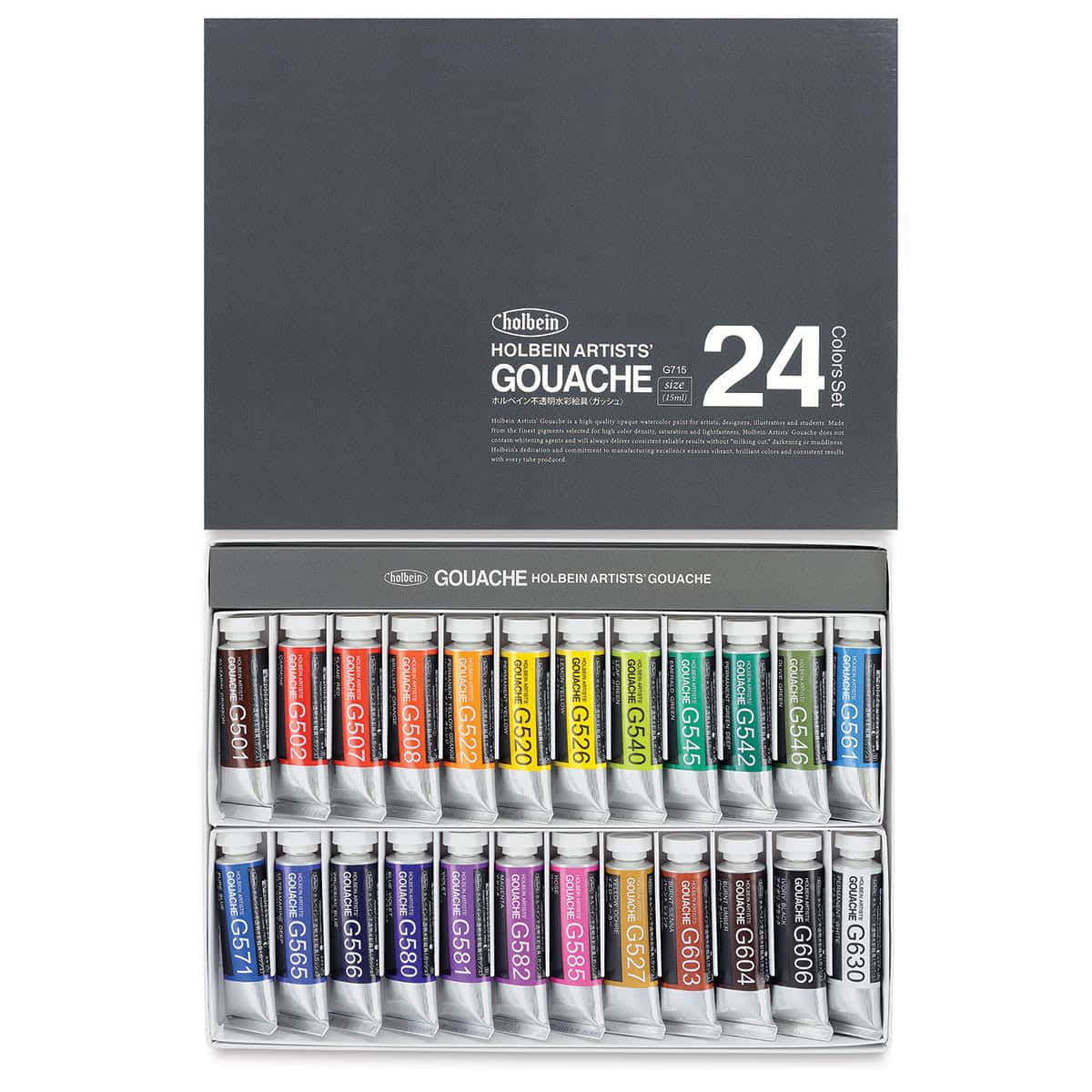
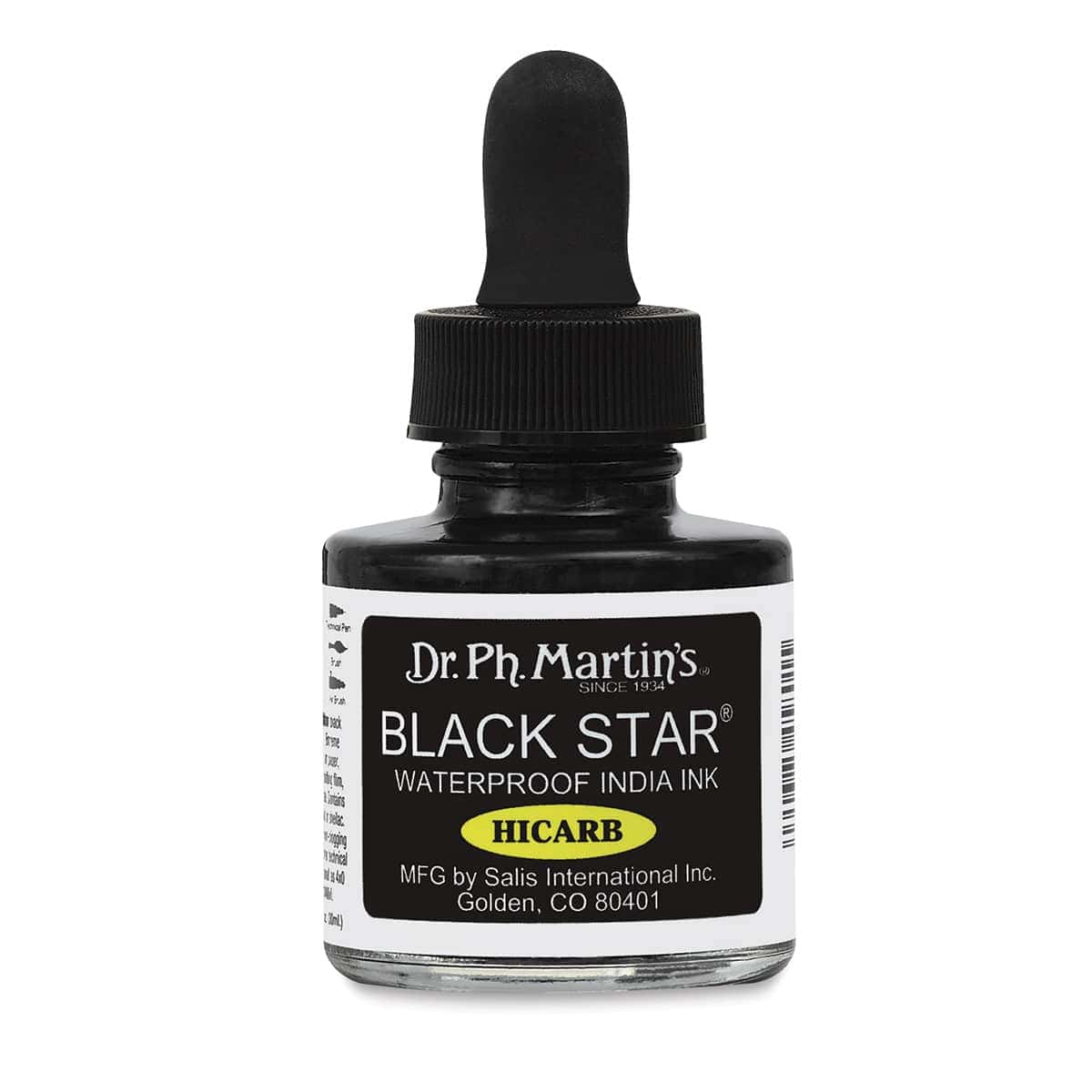
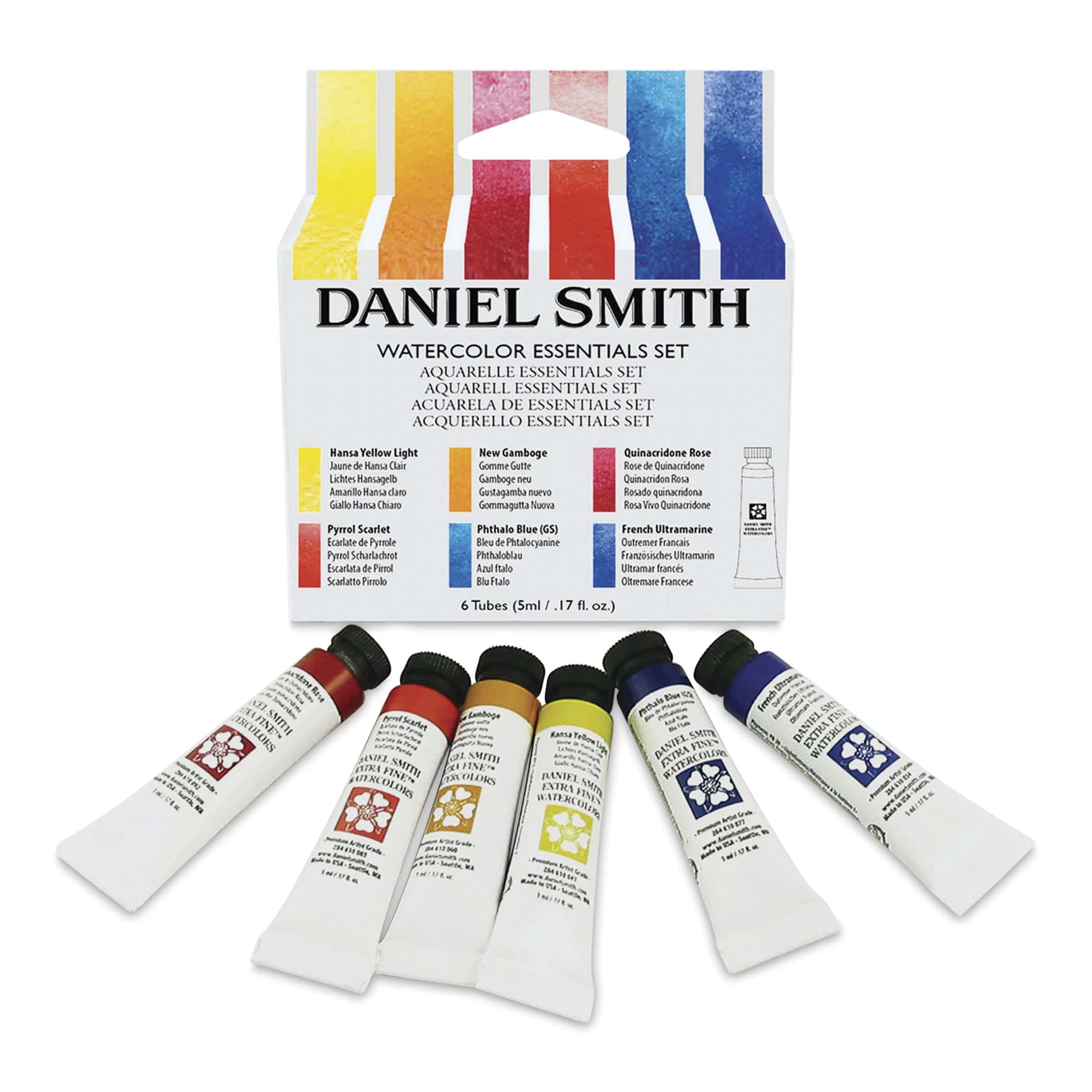
Primary medium alongside oil, gouache, and ink; famous declaration "Color and I are one" after discovering watercolor in Tunisia
Product description
A water-soluble paint made from pigment bound with gum arabic, applied in transparent washes that allow the white of the paper to show through. Watercolors are built up in layers from light to dark, with the paper itself serving as the lightest value. Available in tubes (moist paste) and pans (dried cakes), the medium is prized for its luminosity and portability.
Know something Paul Klee uses that's not listed?
Log in to submitRelated artists
Last updated March 20, 2026