Jenny Saville painted large-scale figurative works as a student at Glasgow School of Art that attracted Charles Saatchi's attention before she had graduated, and her subsequent paintings - enormous canvases of flesh in extreme close-up or distortion, addressing the physical experience of the body without idealization - established her as the most significant British figurative painter of her generation. She studied surgery and worked in plastic surgery departments to understand the physical reality of the body she was painting. Her Propped (1992) sold for £9.4 million at Sotheby's in 2018.
La Maison du Pastel
Connection note
Product description
La Maison du Pastel has manufactured soft pastels by hand in Paris since 1720 using the same historical techniques. The shop on the Quai Voltaire made pastels for Degas and continues to produce custom colors for contemporary artists. Each stick is handrolled from pure pigment with minimal binder.
Know something Jenny Saville uses that's not listed?
Log in to submitLast updated March 20, 2026
Connection note
Product description
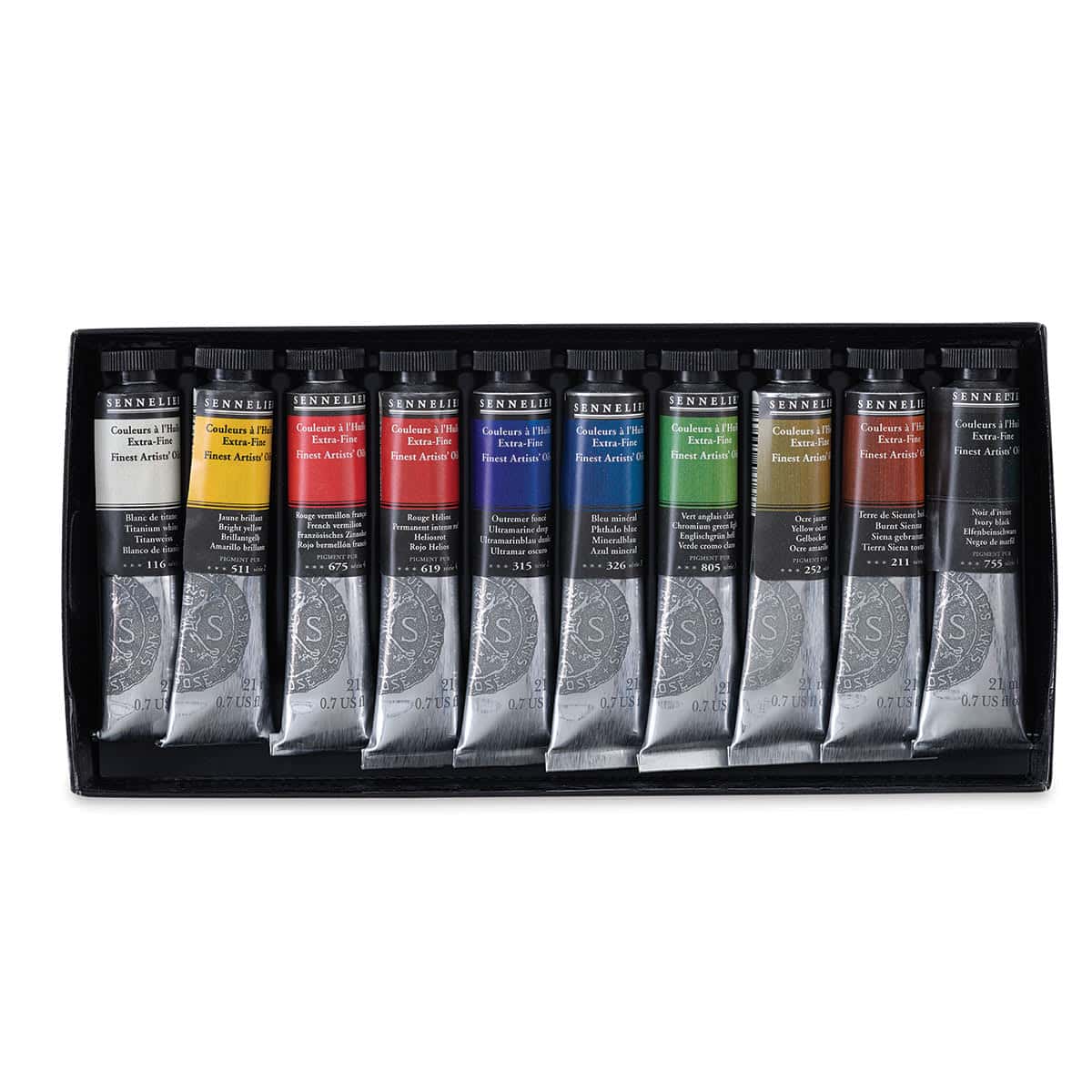
Oil paint — pigment suspended in a drying oil, typically linseed — has been the dominant painting medium since the fifteenth century. It dries slowly, allowing extended blending, and produces a rich, luminous surface. Available from dozens of manufacturers at student through professional grades.
Product description
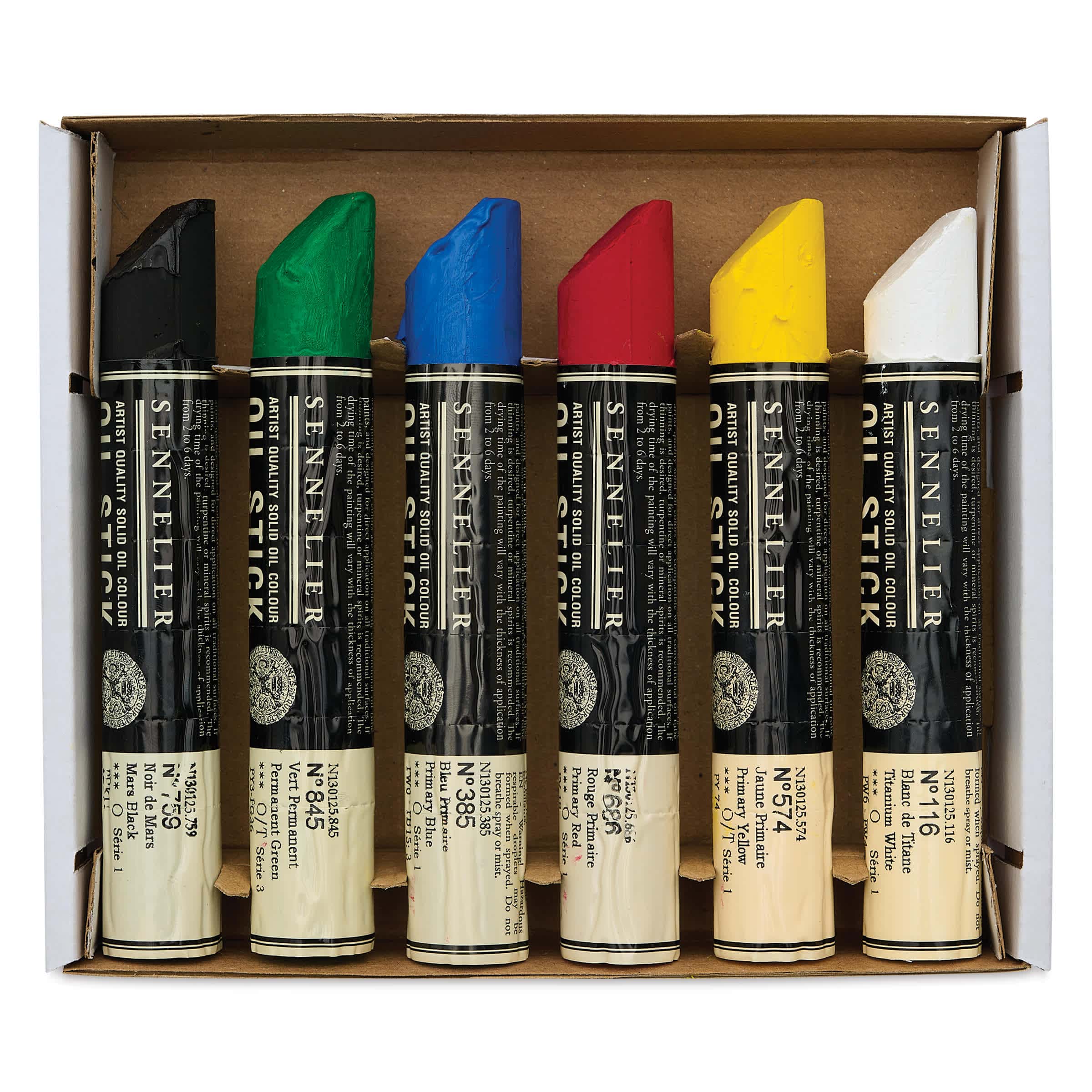
Solid sticks of oil paint made by combining pigment, drying oil, and wax into a crayon-like form. Oil bars allow direct, hands-on mark-making without brushes while remaining fully compatible with traditional oil paints and mediums. They form a thin skin on the surface when stored but stay workable underneath. Drying time and blending behavior match conventional oils.
James Jean