Babette Mangolte
FilmmakerKnown for:
Cinematographer for Chantal Akerman's Jeanne Dielman, photographer documenting the 1970s New York avant-garde
Education:
ENS Louis-Lumière, Paris
Babette Mangolte is a French cinematographer, filmmaker, and photographer who became one of the first women admitted to the cinematography program at L'École Nationale de la Photographie et de la Cinématographie (now ENS Louis-Lumière) in Paris in 1964. After working as an assistant camera on French features, she moved to New York in 1970 and quickly embedded herself in the downtown avant-garde scene, collaborating with Chantal Akerman, Yvonne Rainer, Joan Jonas, and others. Her cinematography on Akerman's Jeanne Dielman, 23, quai du Commerce, 1080 Bruxelles (1975) and News from Home (1977) is considered landmark work in feminist and experimental cinema. Her still photographs of performance art from the 1970s are held in major collections including MoMA, Centre Pompidou, and Tate Modern.
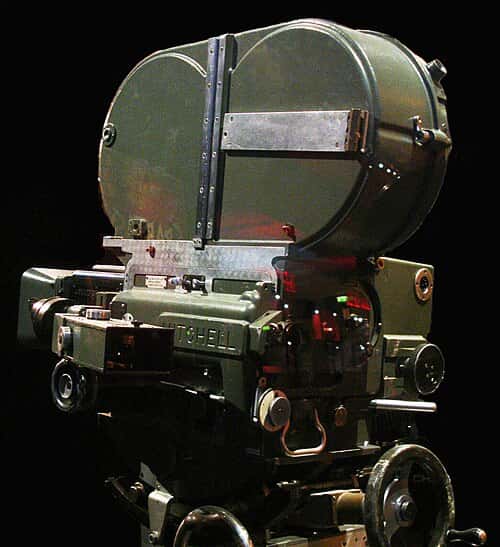
Babette Mangolte's Gear List(4)
ARRI
Connection Source
MubiInterview
Connection note
Borrowed from Robert Rauschenberg (owned by Yvonne Rainer). Used to shoot Akerman's La chambre and Rainer's Lives of Performers (1972)
Product description
ARRI's 16mm MOS production camera, introduced in 1952. It was the first professional 16mm camera with a reflex viewing system, built around ARRI's twin-bladed "butterfly" mirror shutter. Uses a three-lens turret with ARRI standard mounts, accepting 100-foot internal spools or 400-foot external magazines. Over 20,000 units were sold, making it one of ARRI's most commercially successful cameras.
Know something Babette Mangolte uses that's not listed?
Log in to submitRelated artists
Last updated March 20, 2026