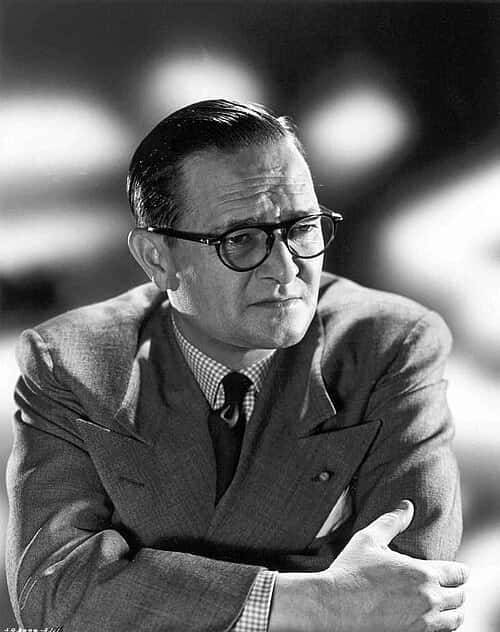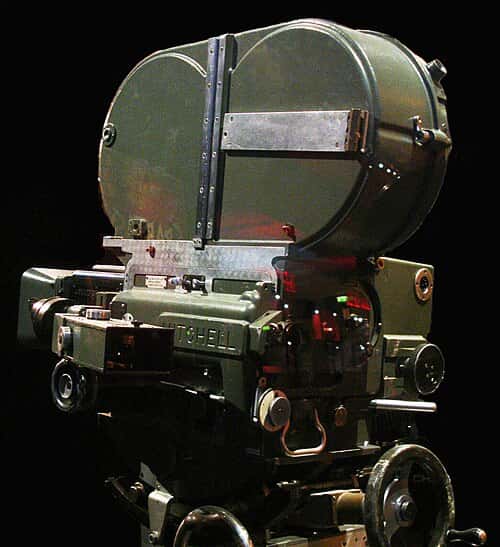
Camera
Mitchell
Mitchell BNC
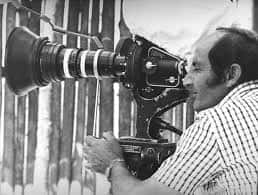
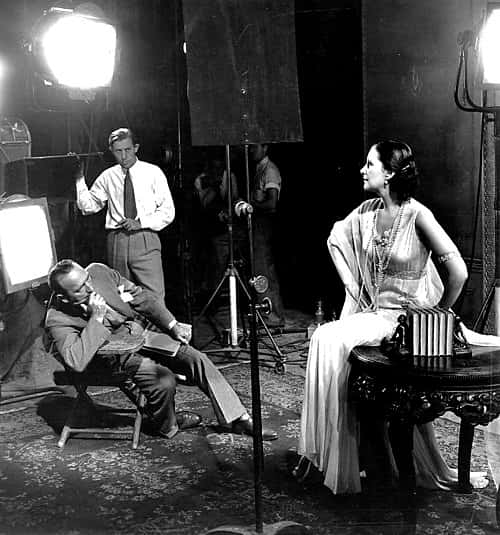
The Mitchell BNC (Blimped Newsreel Camera) was the standard studio motion picture camera in Hollywood from the 1930s through the 1960s. Its rock-steady registration, optical viewfinder, and compatibility with studio lighting rigs made it the instrument of classical Hollywood cinematography.
Artists who use this(16)
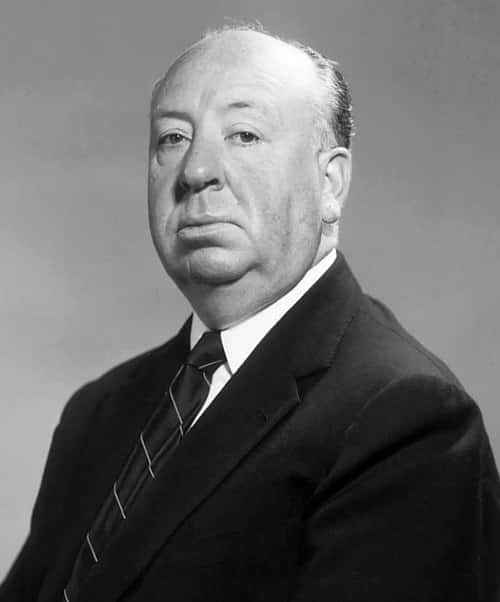
Connection note
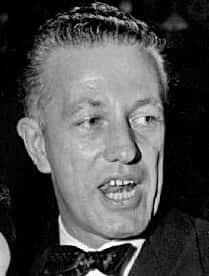
Hitchcock used Mitchell cameras for his Hollywood productions including "Rear Window" (1954), "Vertigo" (1958), and "Psycho" (1960). The Mitchell BNC was the standard studio camera during the peak of his career.
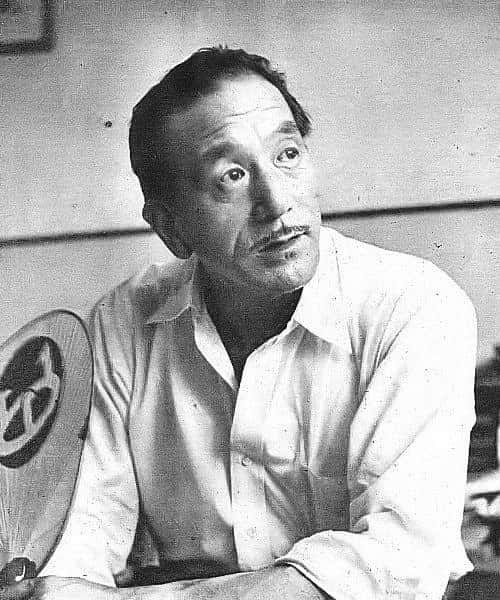
Connection note
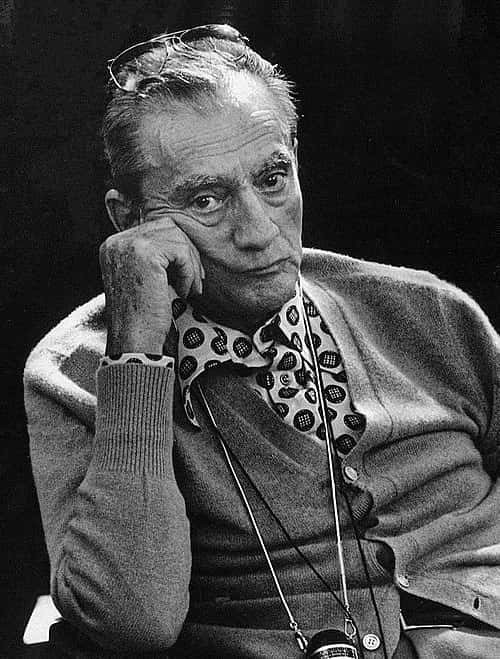
Ozu used Mitchell cameras at Shochiku Studios throughout his career; his famous low camera position was achieved by mounting the camera on a tripod at tatami-mat height. Documented in Donald Richie's "Ozu" (1974).
Know an artist who uses the Mitchell Mitchell BNC?
Log in to submitLast updated March 24, 2026