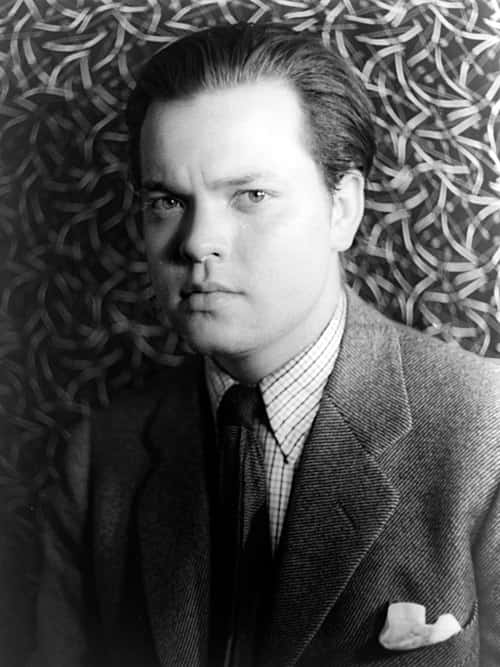
Tonino Delli Colli
FilmmakerKnown for:
Cinematographer for Sergio Leone's spaghetti westerns and Pier Paolo Pasolini's films, Techniscope pioneer
Education:
Self-taught at Cinecittà Studios from age 16
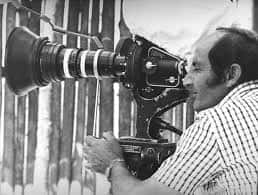
Tonino Delli Colli began working at Rome's Cinecittà Studios in 1938 at age sixteen, largely teaching himself cinematography on the job. He shot Italy's first color feature, Totò a colori (1952), improvising with black-and-white lighting equipment because color lamps did not yet exist in Italy. His collaboration with Pier Paolo Pasolini spanned twelve films, beginning with Accattone (1961), where he deliberately used grainy Ferrania film stock to achieve a raw, documentary texture. With Sergio Leone, he pioneered the use of Techniscope on The Good, the Bad and the Ugly (1966) and Once Upon a Time in the West (1968), delivering widescreen compositions on tight budgets.
Tonino Delli Colli's Gear List(5)
ARRI
Connection Source
ShotonwhatWebsite
Connection note
Used on The Good, the Bad and the Ugly and Once Upon a Time in the West in Techniscope 2-perf configuration
Product description
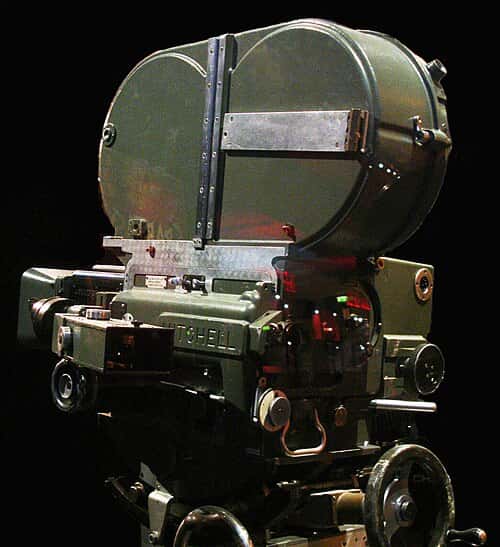
Introduced in 1963 as the final evolution of the Arriflex 35 II series, the IIC added a larger ground glass, movable viewfinder, and anamorphic desqueeze capability. It is an MOS camera with no internal electronics, powered entirely by external sources, and uses 200-foot or 400-foot magazines. Produced through 1979, it was succeeded by the Arriflex III. Over 17,000 units in the 35 II series were manufactured, making it the best-selling ARRI model line ever.
Know something Tonino Delli Colli uses that's not listed?
Log in to submitRelated artists
Last updated April 8, 2026