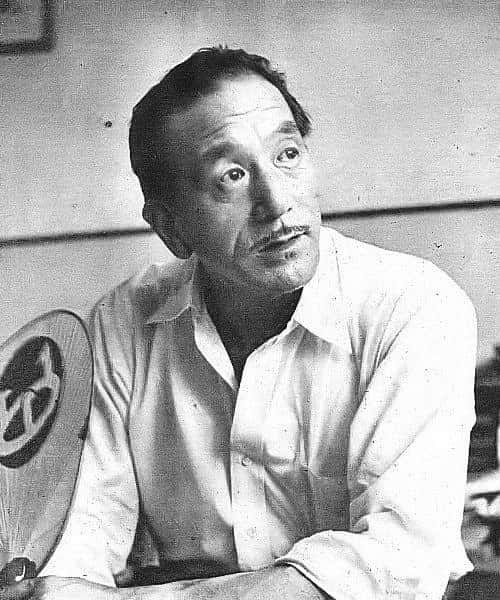
Gordon Willis
FilmmakerKnown for:
Revolutionary low-light cinematography on The Godfather trilogy, Manhattan, and All the President's Men
Education:
U.S. Air Force Photographic and Charting Service; self-taught through commercials and documentaries
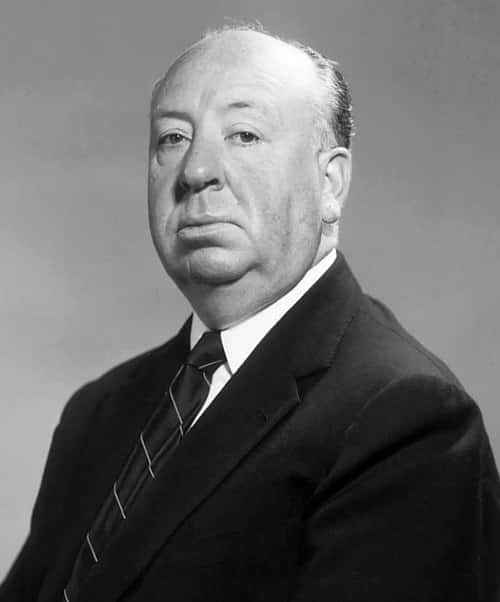
Gordon Willis was a New York-born cinematographer whose mastery of shadow and underexposure earned him the nickname "The Prince of Darkness." His father worked as a makeup artist at Warner Bros., and Willis grew up around the film industry before serving in the Air Force, where he received his foundational training in motion picture photography. He is best known for his work on Francis Ford Coppola's Godfather trilogy, eight Woody Allen films including Manhattan and Annie Hall, and Alan J. Pakula's All the President's Men. Willis received an honorary Academy Award (Governors Award) in 2009 after a career in which he never won a competitive Oscar despite two nominations.
Gordon Willis's Gear List(9)
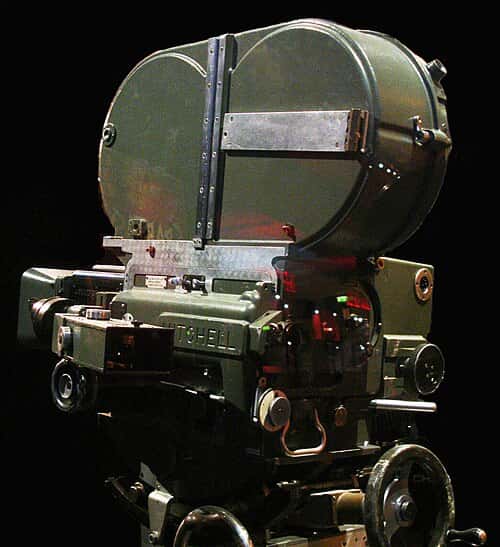
Mitchell
Connection Source
ShotonwhatWebsite
Connection note
Used on The Godfather (1972) and Part II (1974). Willis used Mitchell reflex cameras for all work up through 1972
Product description
The Mitchell BNCR is a blimped, studio 35mm motion picture camera introduced in 1967 as a reflex-viewing upgrade to the original Mitchell BNC (1934). The "R" designates the addition of a spinning mirror reflex viewfinder, allowing operators to see through the lens while filming. Its double-claw, register-pin movement provided exceptional image steadiness, and the aluminum blimp housing made it near-silent on sound stages. The BNCR dominated Hollywood studio production through the 1970s.
Know something Gordon Willis uses that's not listed?
Log in to submitRelated artists
Last updated March 24, 2026